


Introduction
Walk through any MRT station, office lobby, hospital corridor, or university campus in Singapore, and you will likely pass a vending machine. Once limited to snacks and drinks, these machines now dispense everything from fresh coffee to books, flowers, and everyday essentials.
If you are a business owner deciding which type of vending machine best suits your space, or simply curious about how these machines differ, this guide explores the main categories based on product type, technology, hardware, and installation setting. We will also cover the key components of a vending machine and the factors to consider before choosing one for your business.
What is a Vending Machine?
A vending machine is a self-service machine that dispenses products after a customer makes a payment, without the need for a cashier or sales staff. Whether it sells snacks, drinks, coffee, or other products, customers simply make their selection, pay, and collect the item within seconds.
How Does a Vending Machine Work?
The entire process is automated, allowing businesses to operate without a shopfront or on-site staff. Under Singapore law, a food vending machine is officially defined as a machine or mechanical device used to sell or supply food directly to a customer without the personal involvement of a seller or their employee at the point of sale.
While vending machines selling non-food items generally do not require a licence, certain food vending machines must be licensed by the Singapore Food Agency (SFA), particularly those dispensing higher-risk products such as raw meat, seafood, or food prepared within the machine. Machines that dispense pre-packed food from SFA-licensed suppliers are considered lower risk and do not require a separate licence.
Common Parts of a Vending Machine
Regardless of type, most vending machines share a similar set of core components:
- Selection panel: Where customers choose their product, either via buttons, a keypad, or a touchscreen.
- Payment system: Accepts cash, coins, cards, or cashless payments such as NETS and PayNow.
- Dispensing mechanism: The coil, shelf, locker, or drop system that releases the product.
- Storage compartment: Holds the inventory, sometimes refrigerated or heated depending on the product.
- Control board: The internal electronics that coordinate payment confirmation, product selection, and dispensing.
- Collection tray or door: Where the customer retrieves their purchased item.
- Display screen (smart machines only): Shows promotions, stock availability, or advertising content.
Why Do Businesses Rent a Vending Machine in Singapore?
Vending machines have become a popular addition to workplaces and public spaces for several reasons:
- Improve convenience: Provide employees, customers, and visitors with easy access to coffee, snacks, beverages, and other essentials without leaving the premises.
- Support 24/7 operations: Keep refreshments available around the clock in locations such as hospitals, hotels, and transportation hubs.
- Enhance workplace amenities: Offer convenient self-service refreshments to improve employee and guest experience.
- Reduce operating costs: Enjoy a more cost-effective alternative to operating a staffed café or pantry, with many suppliers handling installation, maintenance, and replenishment.
- Adapt to different venues: Choose from coffee, snack, beverage, or combination vending machines to suit offices, hotels, hospitals, schools, and event spaces.
Types of Vending Machines Based on Technology
1. Smart Vending Machines
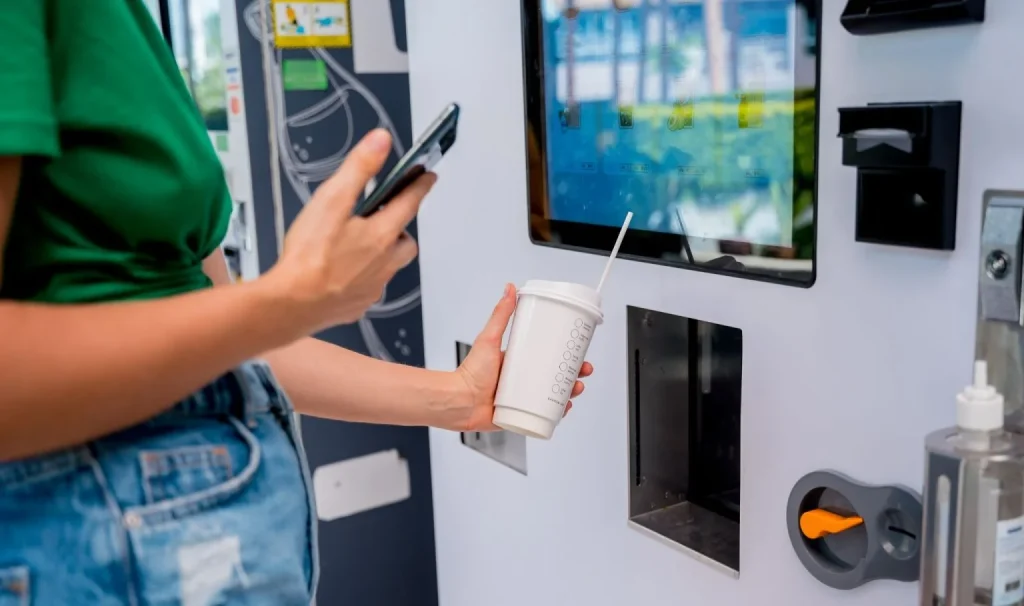
Smart vending machines are internet-connected units equipped with features such as cashless payment, touchscreen interfaces, and remote monitoring. They are designed to provide a more convenient experience for users while making it easier for suppliers to manage maintenance and replenishment.
For businesses renting vending machines, smart machines offer a modern, hassle-free solution. Employees, customers, and visitors can enjoy quick cashless transactions using payment methods such as NETS, PayNow, and mobile wallets, while the supplier remotely monitors machine performance and stock levels to ensure minimal downtime.
2. Traditional Vending Machines
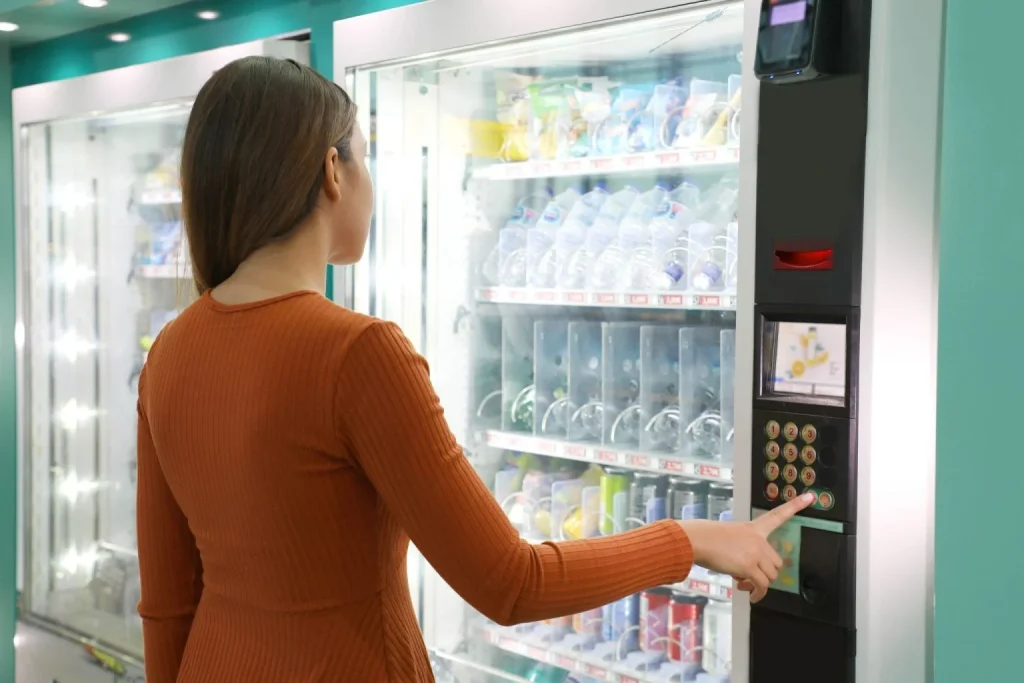
Traditional vending machines are mechanical or basic electronic units that dispense products without internet connectivity or advanced digital features. They typically accept cash, and some models may support basic card payments.
These machines remain a practical option for businesses looking for a straightforward refreshment solution. They are generally more affordable and easier to operate, making them suitable for locations with lower foot traffic or businesses that do not require smart features.
Quick Comparison: Smart vs. Traditional Vending Machine
| Feature | Smart Vending Machine | Traditional Vending Machine |
| Payment Options | Cashless payments (NETS, PayNow, e-wallets), with some models also accepting cash | Usually cash, with some models supporting basic card payments |
| User Experience | Touchscreen interface and faster transactions | Simple button-based operation |
| Connectivity | Internet-connected for remote monitoring | No internet connectivity |
| Maintenance | Remote monitoring helps detect faults and low stock early, allowing faster maintenance and replenishment | Relies mainly on routine on-site checks and reported issues |
| Best Suited For | Offices, hospitals, hotels, and other modern workplaces | Budget-conscious businesses or locations with lower foot traffic |
Types of Vending Machines Based on Hardware Mechanism
While technology affects how a vending machine operates, its hardware mechanism determines how products are stored and dispensed. Different mechanisms are designed to accommodate different types of products:
1. Coil (spiral) machines
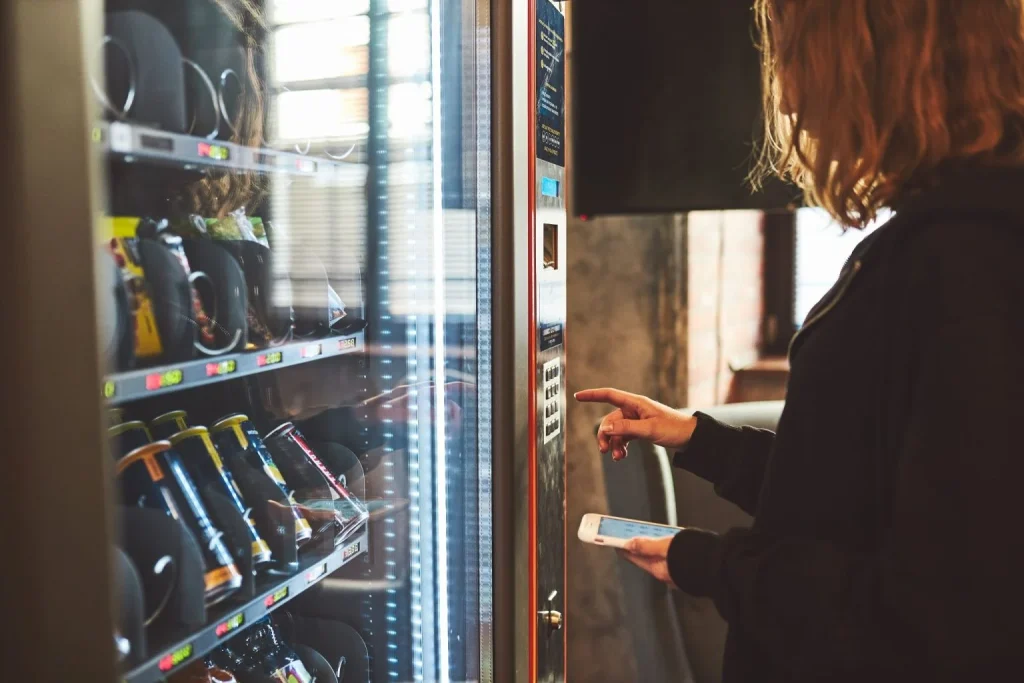
Use a rotating spiral coil to push packaged snacks or bottled drinks forward until they drop. This is the most common mechanism for snack and drink machines.
Best suited for: Packaged snacks, bottled drinks, canned beverages, and other durable products.
2. Weight-sensor machines
Use built-in scales to verify that the correct item (and quantity) was dispensed, commonly found in more advanced snack and grocery vending units.
Best suited for: Premium snack machines, grocery vending, and machines dispensing products with varying weights.
3. Cup-and-brew mechanisms
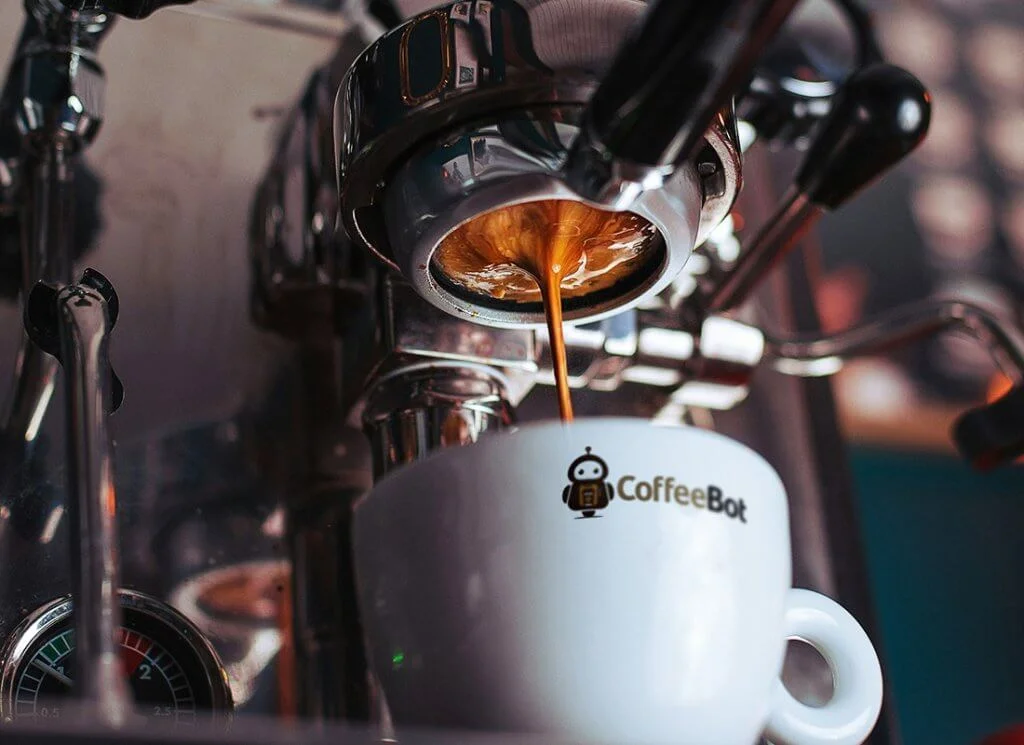
These systems grind, brew, or mix each drink on demand instead of dispensing a pre-made beverage. They are commonly found in modern coffee vending machines that provide freshly brewed coffee with minimal preparation time.
Best suited for: Offices, hotels, hospitals, cafés, and other locations that want to offer freshly brewed coffee and hot beverages with a convenient self-service experience.
4. Locker-style machines
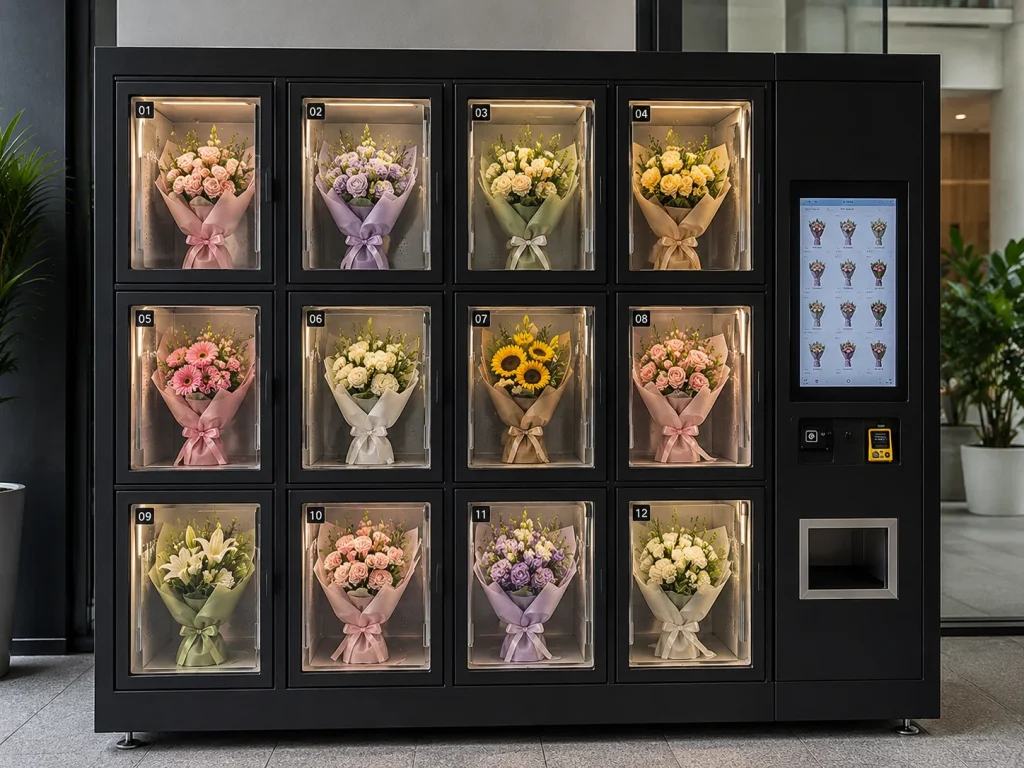
Dispense items by unlocking an individual compartment or locker rather than dropping the product, often used for fragile items, electronics, or food that needs to stay upright, such as flowers or cakes.
Best suited for: Flowers, cakes, electronics, books, cosmetics, meal collection, and other fragile or high-value items.
5. Refrigerated coil/shelf machines
Combine a coil or shelf mechanism with built-in chillers or freezers, used for cold drinks, dairy, or frozen food.
Best suited for: Chilled beverages, dairy products, fresh meals, sandwiches, salads, desserts, and frozen food.
Types of Vending Machines Based on What They Sell
1. Food & Snack Vending Machines
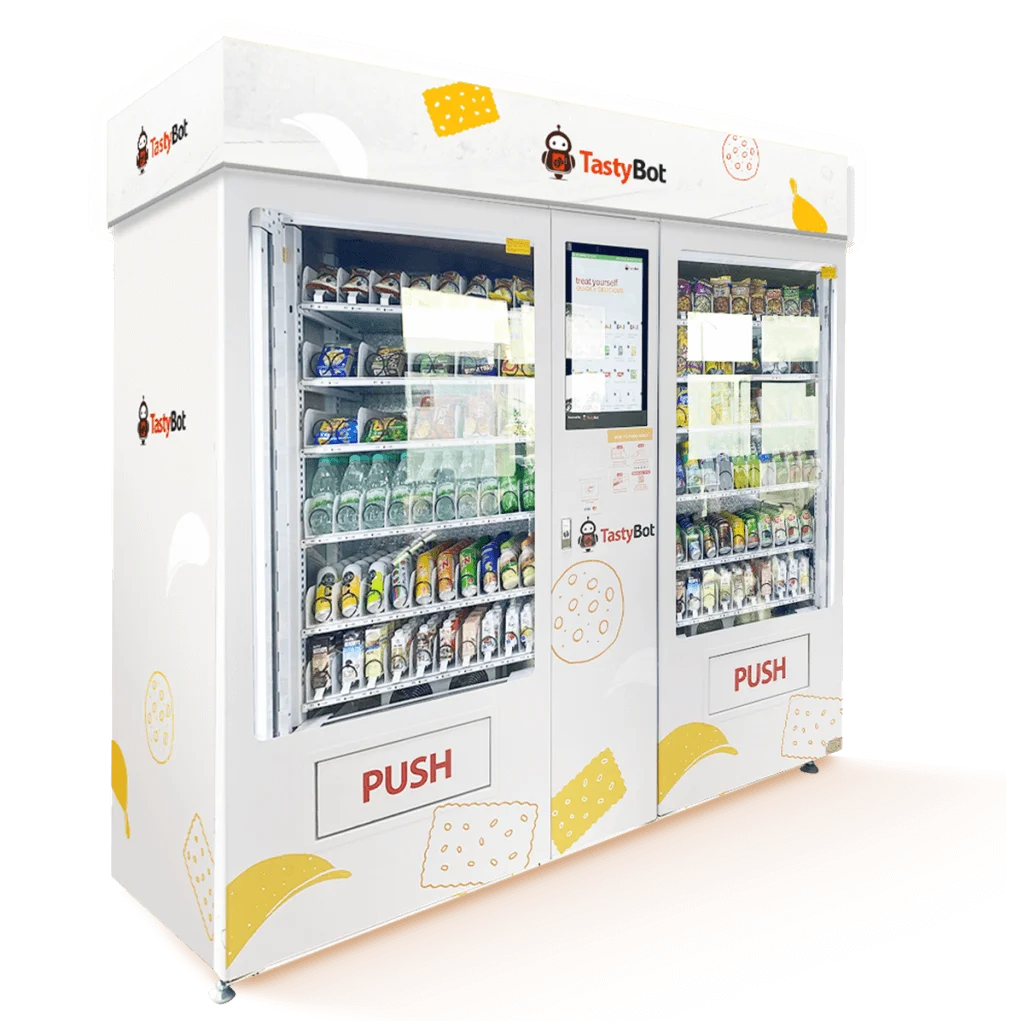
Dispenses: Packaged snacks such as chips, biscuits, chocolates, and confectionery.
Common locations: Offices, schools, transportation hubs, and other public spaces.
Ideal for: Providing quick and convenient snack options in high-traffic or shared environments.
An example of a food vending machine is the TastyBot Vending Machine, which offers a wide selection of snacks for workplaces, commercial buildings, and public venues.
2. Beverage Vending Machines
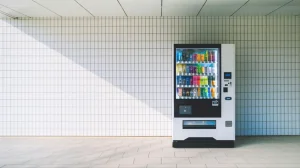
Dispenses: Canned and bottled drinks, including soft drinks, bottled water, juices, and isotonic beverages.
Common locations: Offices, gyms, schools, hospitals, transportation hubs, and retail spaces.
Ideal for: Keeping beverages chilled and easily accessible, with options to cater to both traditional and health-conscious consumers.
TastyBot also serves as a drinks vending machine Singapore businesses can rent to provide chilled beverages in offices, schools, hospitals, and other shared spaces.
3. Coffee Vending Machines
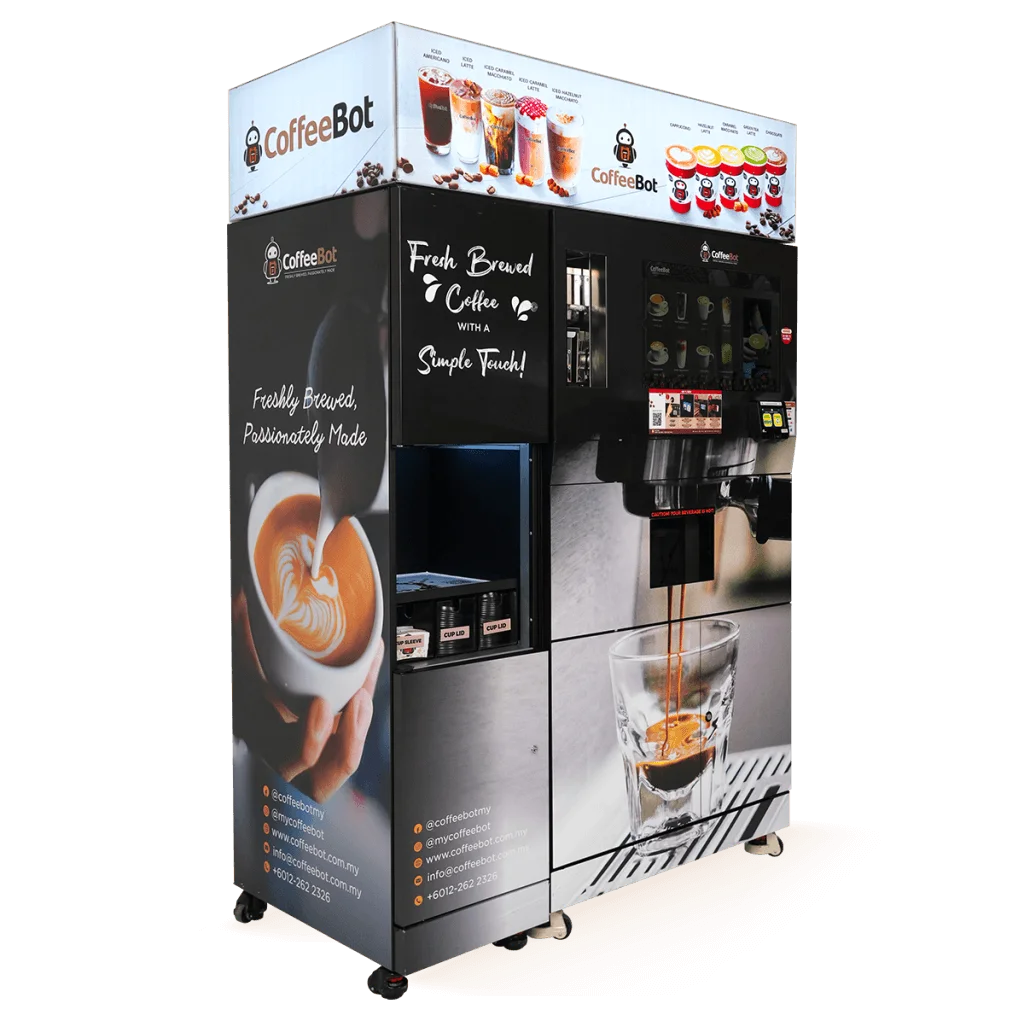
Dispenses: Freshly brewed coffee and other hot beverages, ranging from instant coffee to bean-to-cup drinks.
Common locations: Offices, hotels, hospitals, universities, and corporate pantries.
Ideal for: Providing café-style coffee through a convenient self-service setup.
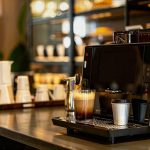
Businesses looking for a coffee machine rental in Singapore can opt for the CoffeeBot Vending Machine, which delivers freshly brewed coffee with installation, maintenance, and ingredient replenishment included.
4. Hot Food Vending Machines
Dispenses: Ready-to-eat meals such as bento boxes, noodles, sandwiches, and pastries.
Common locations: Hospitals, universities, offices, transportation hubs, and other locations requiring food outside normal operating hours.
Ideal for: Offering convenient access to hot meals throughout the day.
In Singapore, these machines must comply with stricter SFA food safety requirements: food must come from SFA-licensed central kitchens or approved suppliers, and must be maintained at safe temperatures (hot food at no less than 60°C, chilled food below 5°C).
5. Specialty & Custom Vending Machines
Dispenses: Non-traditional products such as flowers, books, electronics, sports supplements, personal care products, and other niche items.
Common locations: Shopping malls, airports, hotels, events, and specialty retail environments.
Ideal for: Selling unique or higher-value products using customised vending solutions designed for specific product types.
Types of Vending Machines Based on Installation Setting
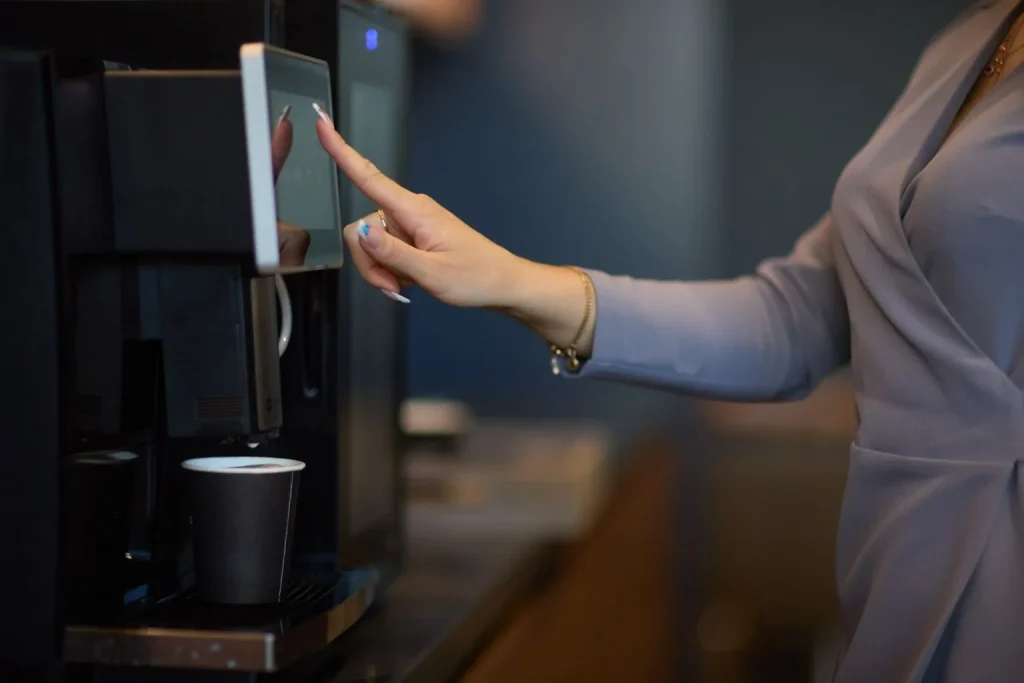
Where a vending machine is installed influences the products it should offer and the type of machine best suited to the location. For more guidance on evaluating different venues, explore our guide to choosing the best vending machine location.
- Office Vending Machines: Often include a mix of snack, beverage, and coffee machines for employees. Businesses looking for an office coffee machine may also consider rental solutions for added convenience.
- Hotel Vending Machines: Commonly stocked with drinks, snacks, toiletries, and convenience items in lobbies or guest corridors. Many coffee machines in hotels are installed in lobbies, lounges, and breakfast areas to provide self-service beverages for guests.
- School & University Vending Machines: Often stocked with healthier snacks and beverages to support student wellbeing while offering convenient refreshments across campus.
- Hospital Vending Machines: Designed to operate around the clock, providing food, drinks, and other essentials for healthcare workers, patients, and visitors outside regular operating hours. Many healthcare facilities also invest in a dedicated hospital coffee solution to ensure freshly brewed beverages are always available.
- Transportation Hub Vending Machines: Commonly found in MRT stations, bus interchanges, airports, and ferry terminals, offering quick access to drinks, snacks, coffee, and travel essentials for commuters.
- Retail & Shopping Mall Vending Machines: Usually offer snacks, beverages, flowers, electronics, cosmetics, or other specialty products. Their high-traffic locations make them ideal for impulse purchases.
- Manufacturing & Industrial Vending Machines: May dispense refreshments alongside workplace essentials such as personal protective equipment (PPE), tools, and spare parts to support day-to-day operations.
- Event Vending Machines: Typically rented for conferences, exhibitions, weddings, and corporate events to provide refreshments, promotional merchandise, or branded giveaways during short-term events.
Things to Consider Before Purchasing or Renting a Vending Machine
1. Available Space
Measure the intended installation area before selecting a vending machine. Consider not only the machine’s footprint, but also the clearance required for servicing, restocking, and for customers to use the machine comfortably. Larger coffee or combination vending machines typically require more space than compact countertop models.
2. Installation Location
Choose a location that is easily accessible and receives regular foot traffic, such as office pantries, hotel lobbies, hospital waiting areas, or staff lounges. The machine should be placed where it adds convenience without obstructing walkways or emergency exits. Access to a power supply and, where required, a water connection should also be considered.
3. User Needs
Think about who will be using the vending machine and the products they are most likely to need. For example, offices may benefit from coffee and snack machines, hospitals often require refreshments around the clock, while hotels may prioritise coffee, beverages, and convenience items for guests.
4. Machine Type
Select a vending machine that matches your intended use. Coffee vending machines are ideal for workplaces and hospitality settings, while snack, beverage, combination, or specialty machines may better suit other environments depending on user demand and available space.
5. Supplier Support
If you are renting a vending machine, check what services are included in the rental package. Many suppliers provide installation, preventive maintenance, servicing, and regular replenishment, helping businesses keep the machine operating with minimal day-to-day involvement.
6. Budget & Rental Options
Compare the total cost of purchasing and renting based on your business needs. Renting is often preferred by businesses that want lower upfront costs and ongoing supplier support, while purchasing may be more suitable for organisations planning a long-term installation and managing maintenance in-house.
Conclusion
When choosing a vending machine, focus on fit rather than features. The right machine should suit your location, product offering, and the people using it. A well-matched solution is easier to manage and delivers better value over the long term.
As a trusted vending machine supplier in Singapore, CoffeeBot Singapore provides tailored vending solutions for offices, hotels, hospitals, and other commercial spaces. From setup to ongoing replenishment and maintenance, we take care of everything. Contact us today to find the right solution for your business.
Frequently Asked Questions
1. How Often Do Vending Machines Need to Be Restocked?
Restocking depends on location and demand. Busy areas may need refilling every few days, while quieter sites can be serviced weekly. Smart machines can also alert operators when stock runs low, making restocking more efficient.
For food vending machines, products should also be checked regularly to ensure they are removed before their consume-by date in line with hygiene requirements.
2. Where Is the Best Place to Install a Vending Machine?
The best locations have consistent foot traffic, such as offices, hospitals, schools, MRT stations, hotels, and shopping malls.
Ensure the site also has access to a power supply and, where required, a water connection for machines like coffee vending units.
3. How Much Space Is Needed to Install a Vending Machine?
Space requirements vary by machine type. In addition to the machine’s footprint, ensure there is sufficient clearance around the unit for safe operation, customer access, and proper ventilation where required.
4. Which Type of Vending Machine Is Best for My Business?
The right choice depends on your location, users, and business needs. Consider the products you want to offer, available space, expected demand, and whether a coffee, snack, beverage, combination, or specialty vending machine best suits your venue.