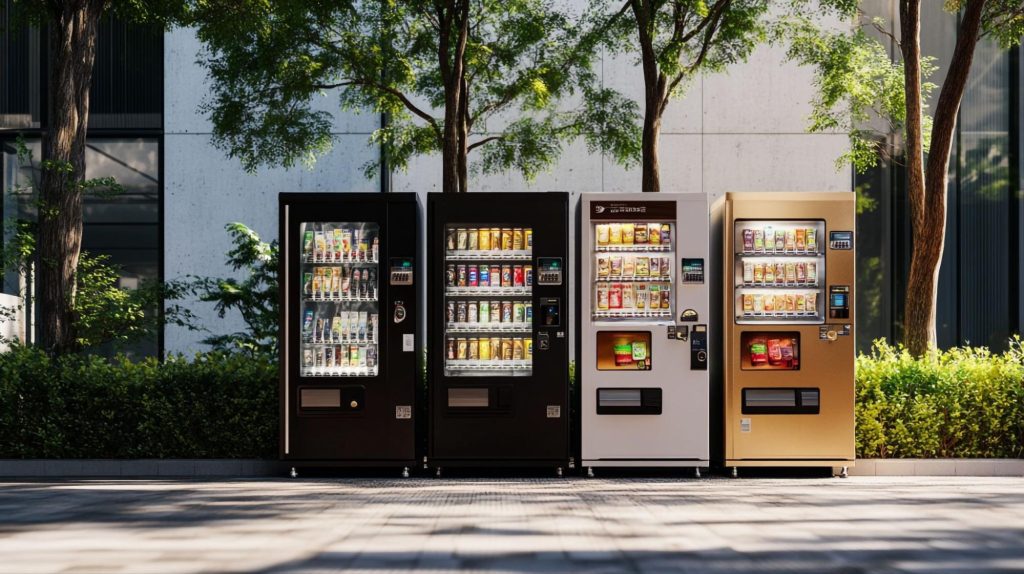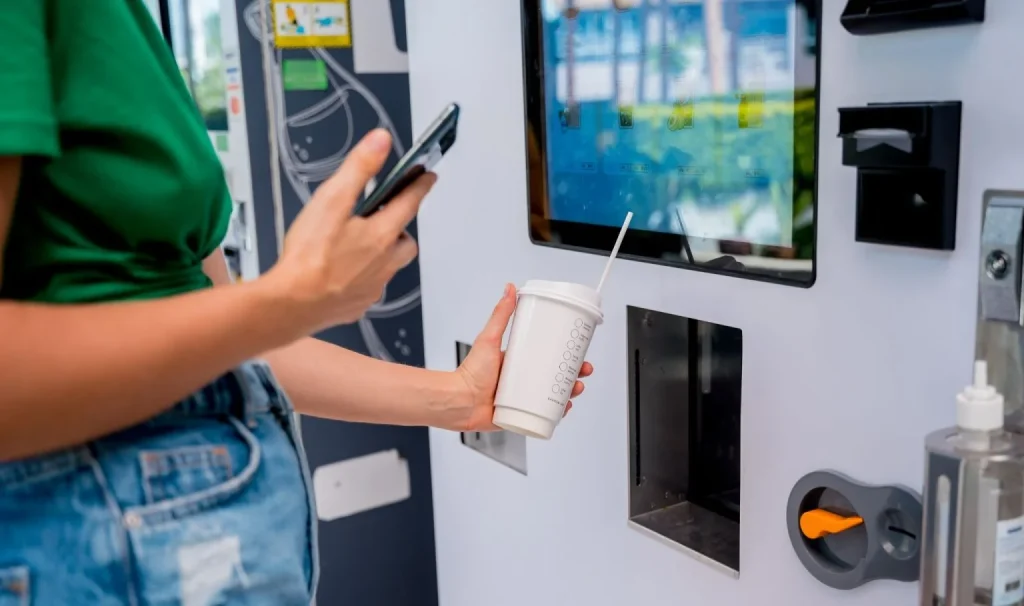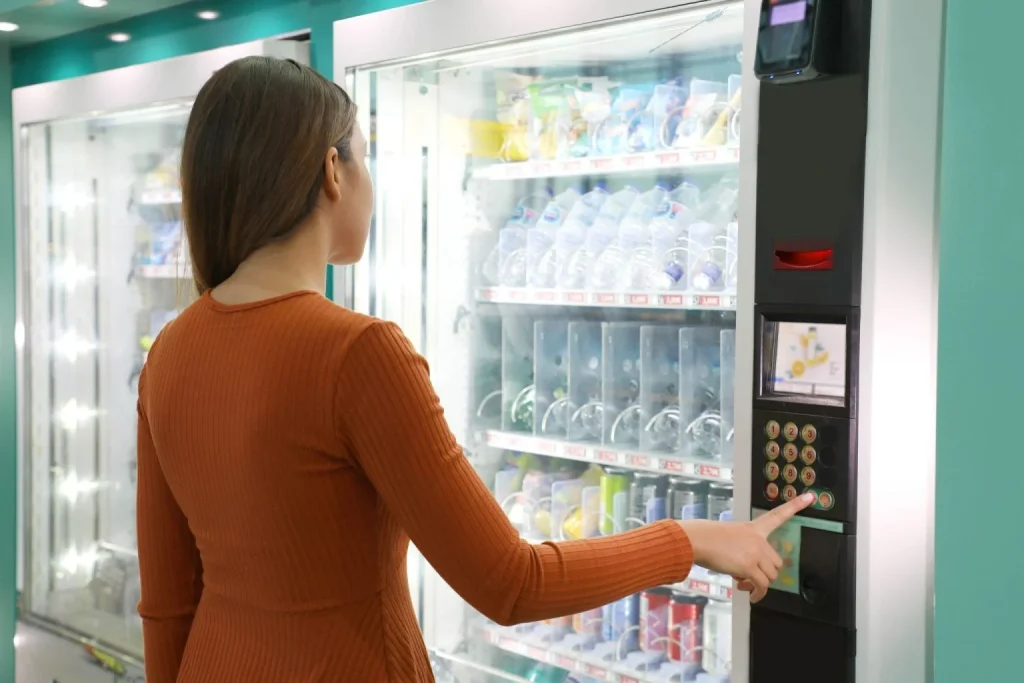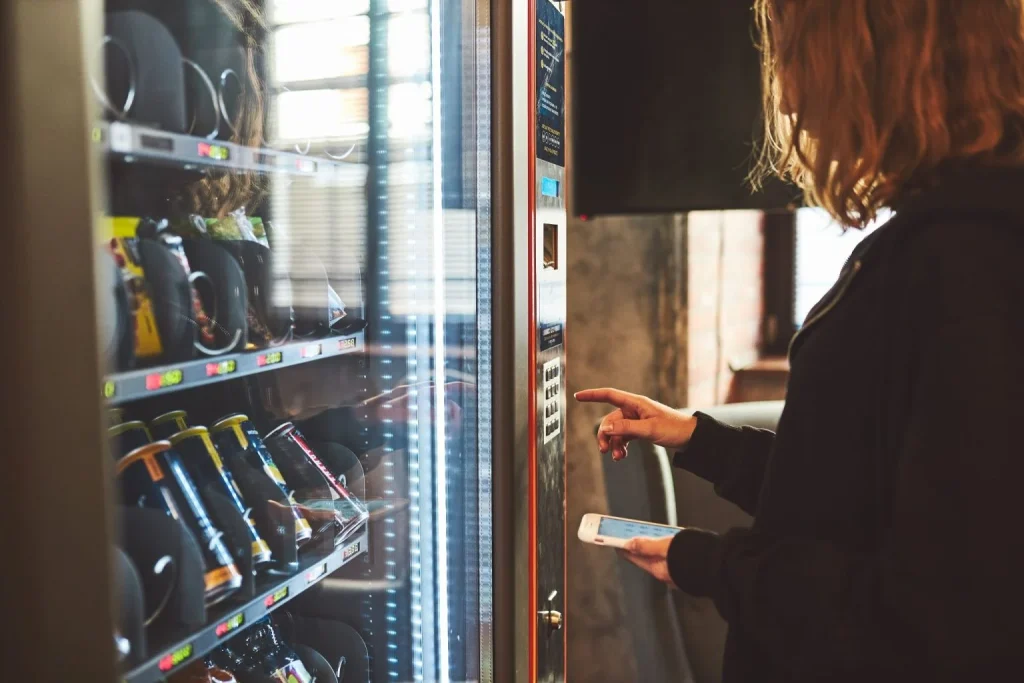

What are Good Vending Machine Locations in Singapore?

what are good vending machine locations in singapore

Introduction

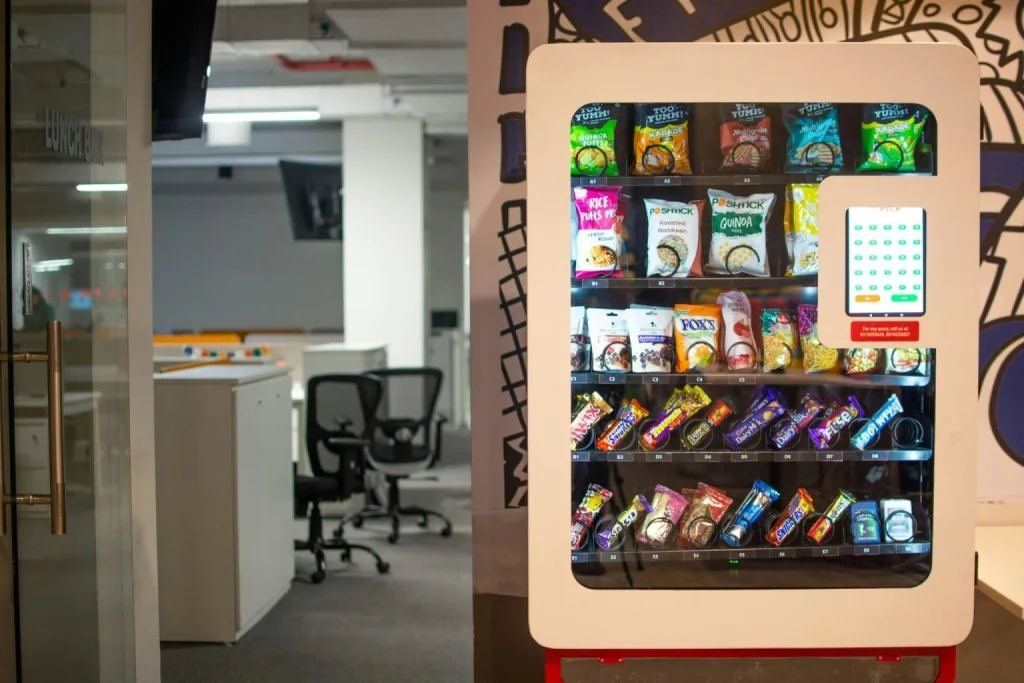
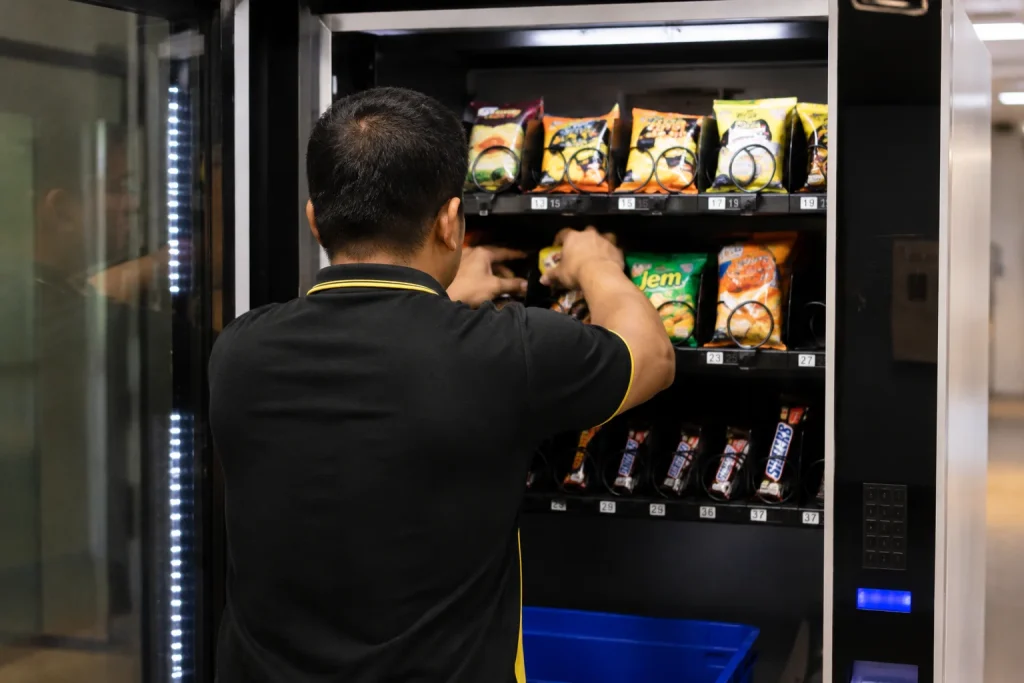
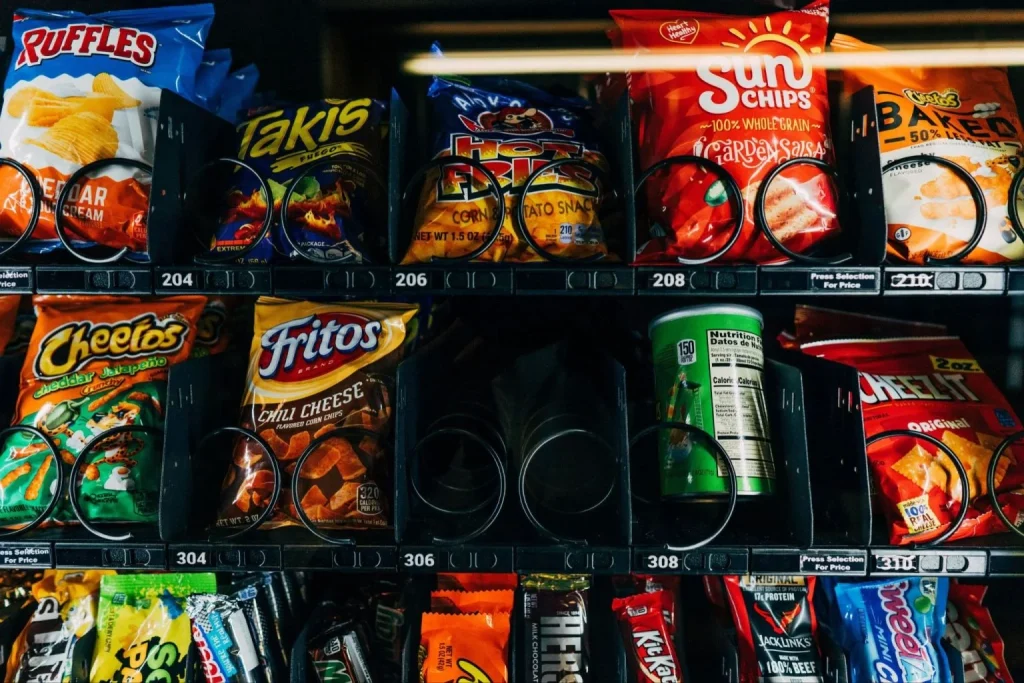
If you’ve ever spotted a vending machine tucked into the corner of an office lobby, shopping centre, or residential building, you may have wondered why it was placed there. The answer is simple: location. Even the most advanced vending machine can struggle in the wrong spot, while a basic machine in a busy, well-chosen location can perform consistently.

This guide explores what makes a good vending machine location in Singapore, the types of locations that perform best, and the key factors to consider before installing a vending machine. 

Why Does the Location of a Vending Machine Matter?

Vending machines don’t attract customers on their own. Unlike a retail shop with signage, they rely on people already passing by, whether they’re commuting to work, waiting for an appointment, or taking a break.

The best locations benefit from two key buying behaviours: habitual buying, where people encounter the same machine as part of their daily routine, and convenience buying, where customers make quick purchases because the product is available exactly when they need it.

As a result, a vending machine’s success largely depends on:

  • Footfall: How many people pass by each day
  • Dwell time: Whether people have time to stop, such as in waiting areas or break spaces.
  • Customer demand: Whether the location naturally creates a need for food, drinks, or convenience items.
  • Competition: Whether nearby cafés, convenience stores, or pantries already meet the same demand.

Examples of Good Vending Machine Locations in Singapore

Not every location suits every type of vending machine. Below, we’ll look at where each machine type performs best, what typically sells well, and key considerations. If you’d like to learn more about the machines themselves, see our guide on the different types of vending machines. 

1. Offices, Business Parks, and Coworking Spaces
offices business parks and coworking spaces

Corporate offices, business parks, and coworking spaces are among the most reliable vending machine locations because the customer base is captive, predictable, and repeatable.

  • What sells: Coffee and hot beverage machines, snack machines, and increasingly healthy or better-for-you snack options as companies pay more attention to workplace wellness.
  • Why it works: Employees are on-site for long stretches and often don’t want to leave the building for a quick pick-me-up.
  • Considerations: Many offices already have a pantry with complimentary refreshments, but vending machines can complement these spaces rather than replace them. Tabletop coffee vending machines are commonly integrated into office pantries, while larger offices, business parks, and coworking spaces often benefit from additional self-service food and beverage options. 

2. Retail
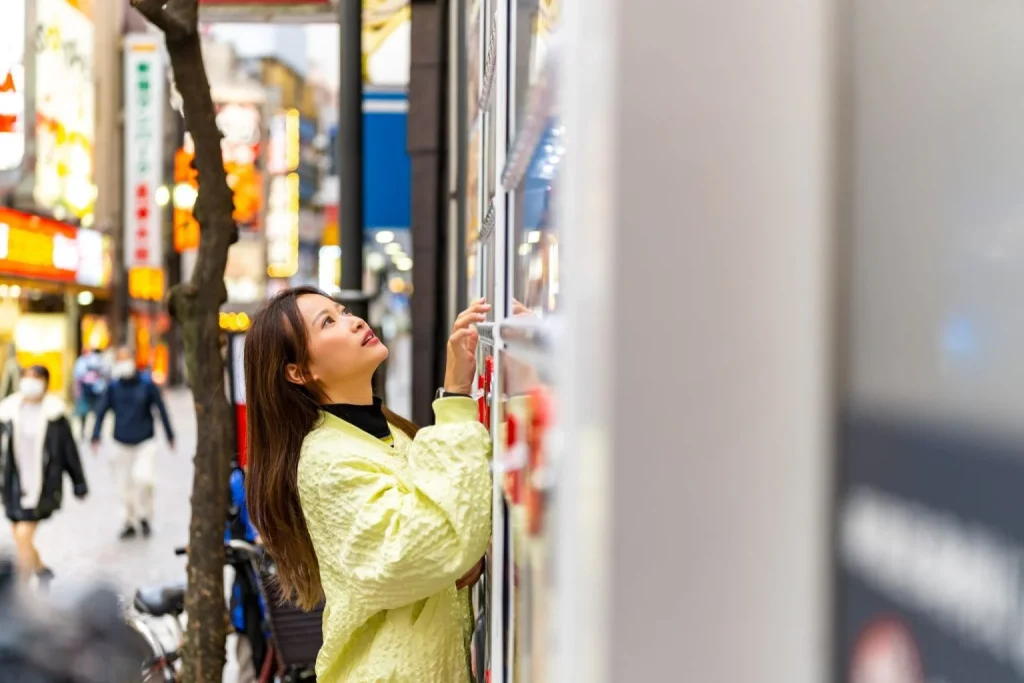
retail

Shopping malls, neighbourhood shoplots, and other retail spaces are suitable locations for vending machines. Many businesses install them to provide added convenience for customers alongside their existing products and services.

  • What sells: Beverage machines (especially in mall corridors), specialty vending such as beauty products, phone accessories, or even flowers and small gifts.
  • Why it works: Malls already have heavy footfall and a captive audience with money in hand.
  • Considerations: Mall management usually requires a formal tenancy agreement and charges rent based on high foot traffic, similar to a retail lot. Machines need to be genuinely differentiated from nearby stores to be worth the rent.

3. Hotels
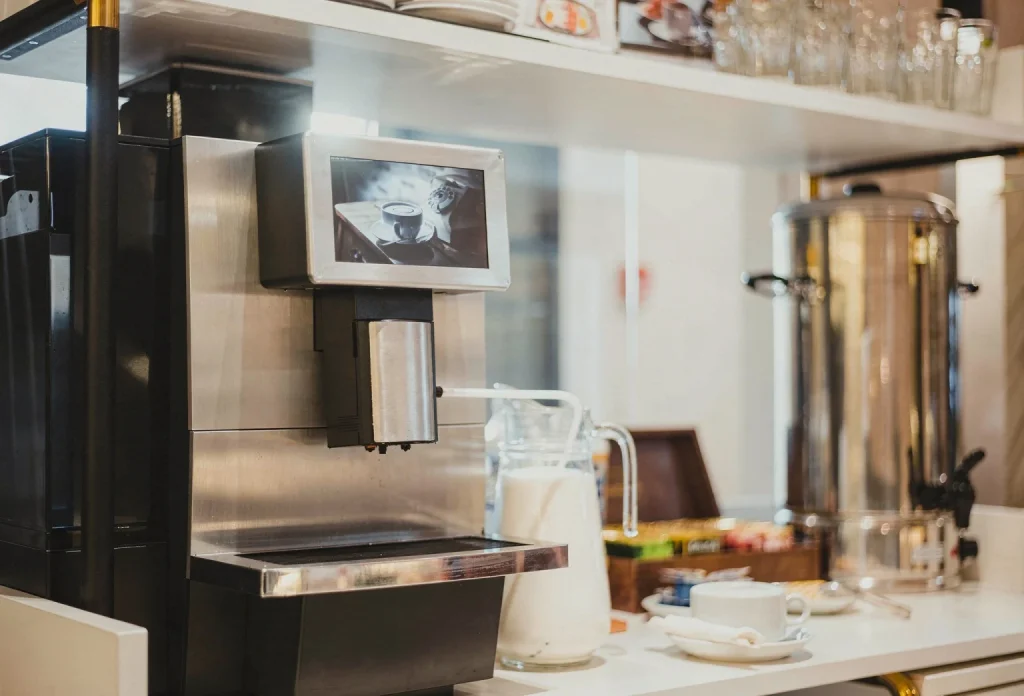
hotels

Hotel guests, especially those arriving late at night or leaving early for flights, are a strong match for vending.

  • What sells: Snacks, drinks (such as coffee), toiletries, and increasingly “forgotten item” essentials like adapters and basic toiletries.
  • Why it works: Guests often can’t or don’t want to leave the hotel for a small purchase, especially outside of normal operating hours.
  • Considerations: Position machines in accessible yet discreet locations, such as lift lobbies. Coffee vending machines also work well in hotel breakfast areas, lounges, and lobby spaces. 

4. Restaurants and Cafes

At first glance, restaurants and cafés may not seem like an obvious location for a vending machine. However, they can complement existing services by offering grab-and-go products, extending service beyond operating hours, or providing specialty items not found on the regular menu. 

  • What sells: Desserts, bottled specialty drinks, or grab-and-go items available after the kitchen has closed.
  • Why it works: It extends service beyond operating hours and provides a quick, self-service option for customers who don’t want to wait or require full table service. 
  • Considerations: Choose products and placement that complement your existing service, giving customers an additional self-service option rather than replacing the dine-in experience.

5. Hospitals and Clinics
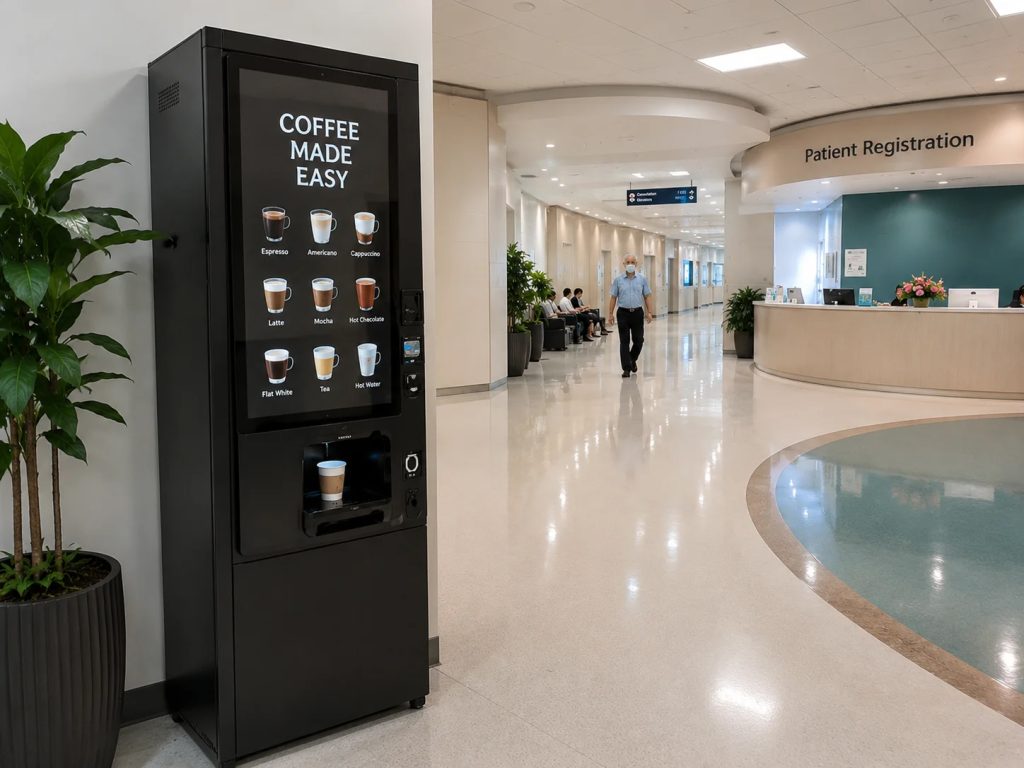
hospitals and clinics

Healthcare settings have some of the most consistent footfall in Singapore, driven by patients, visitors, and staff working shifts.

  • What sells: Coffee for hospitals is a popular choice for staff lounges, waiting areas, and visitor spaces, while Changi General Hospital’s smart vending machine for medicines demonstrates how vending is expanding beyond food and drinks. 
  • Why it works: Waiting rooms create natural dwell time, and visitors, patients, and staff often need quick access to refreshments or essential items without leaving the facility.
  • Considerations: Machines dispensing medicines or health-related products require separate regulatory approval from the Health Sciences Authority (HSA), while food vending machines should also meet the higher hygiene and food safety standards expected in healthcare environments. 

6. Residential Areas

Residential vending has grown significantly in HDB estates, partly filling the gap left by disappearing “mama shops”.

  • What sells: Household provisions, snacks, drinks, and, in some cases, hot meals. 
  • Why it works: Round-the-clock access matters in residential areas, especially for late-night or early-morning needs when nearby shops are closed.
  • Considerations: Placing a machine in an HDB void deck isn’t as simple as renting a mall lot. It typically requires approval from the Town Council managing the estate (since void decks are common property), and if the machine dispenses food, a separate food licence from the Singapore Food Agency (SFA). 

7. Gyms and Sports Facilities

Gyms and sports centres have a narrow but highly relevant customer need: hydration and recovery.

  • What sells: Isotonic drinks, protein bars, bottled water, and supplement or recovery-focused vending.
  • Why it works: Members are a captive audience with an immediate, specific need right after a workout.
  • Considerations: Product selection matters more here than in almost any other category. Generic snacks perform poorly, while fitness-relevant products do well. Placement near the exit or changing rooms typically outperforms placement near the entrance.

8. Train Stations and Airports

Transit hubs are consistently cited as strong-performing locations because of Singapore’s dense public transport network.

  • What sells: Grab-and-go drinks and snacks, and at airports, higher-margin items like travel essentials, electronics accessories, and duty-free-adjacent products.
  • Why it works: Commuters want something fast, and airport travellers often have time to spare and money already set aside for the trip.
  • Considerations: These are typically the most competitive and highest-rent locations to secure, often requiring formal procurement processes with SMRT, SBS Transit, or Changi Airport Group.

9. Cinemas
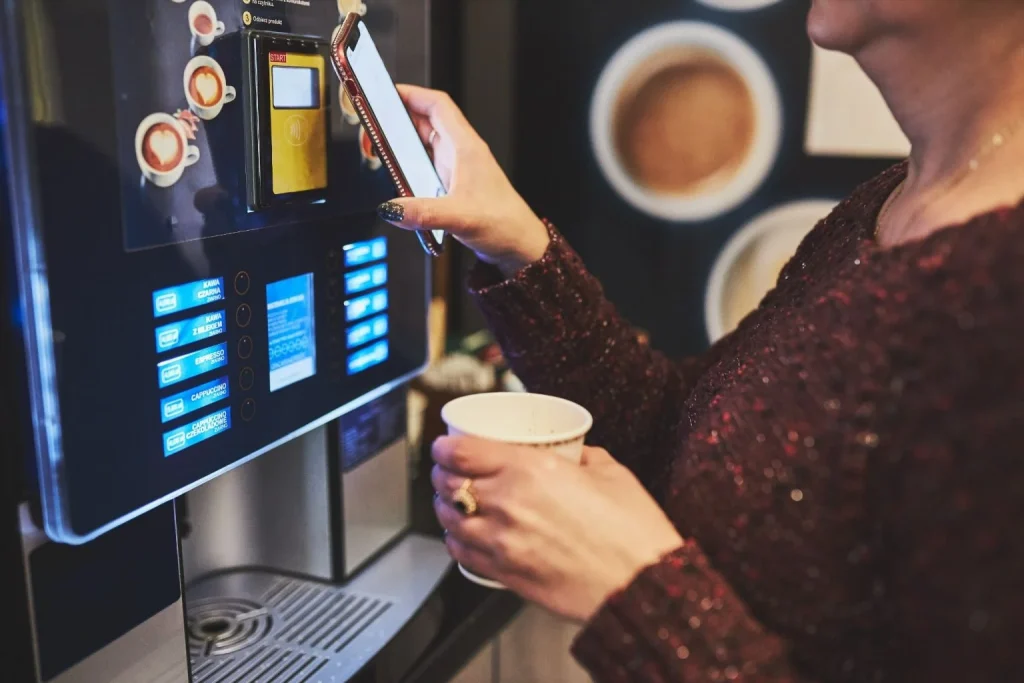
cinemas

Cinemas experience predictable peaks in demand before and after movie screenings, making them great for food and beverage vending machines.

  • What sells: Coffee, popcorn, snacks, beverages and confectionery.
  • Why it works: Moviegoers often purchase refreshments before entering the cinema or after their screening, especially when nearby food options are limited.
  • Considerations: Position machines near cinema entrances or waiting areas, and schedule restocking around peak screening times, weekends, and public holidays.

10. Industrial Areas and Warehouses

Factories and warehouses tend to be overlooked, but they offer some of the most predictable, repeat-customer traffic of any category.

  • What sells: Basic snacks and drinks.
  • Why it works: Workers often have limited break time and few nearby food options, especially in industrial parks like Tuas or Jurong.
  • Considerations: These locations usually have lower rent expectations than retail or transit spots, making them a good fit for operators focused on volume and reliability over premium pricing.

11. Schools and University Campuses
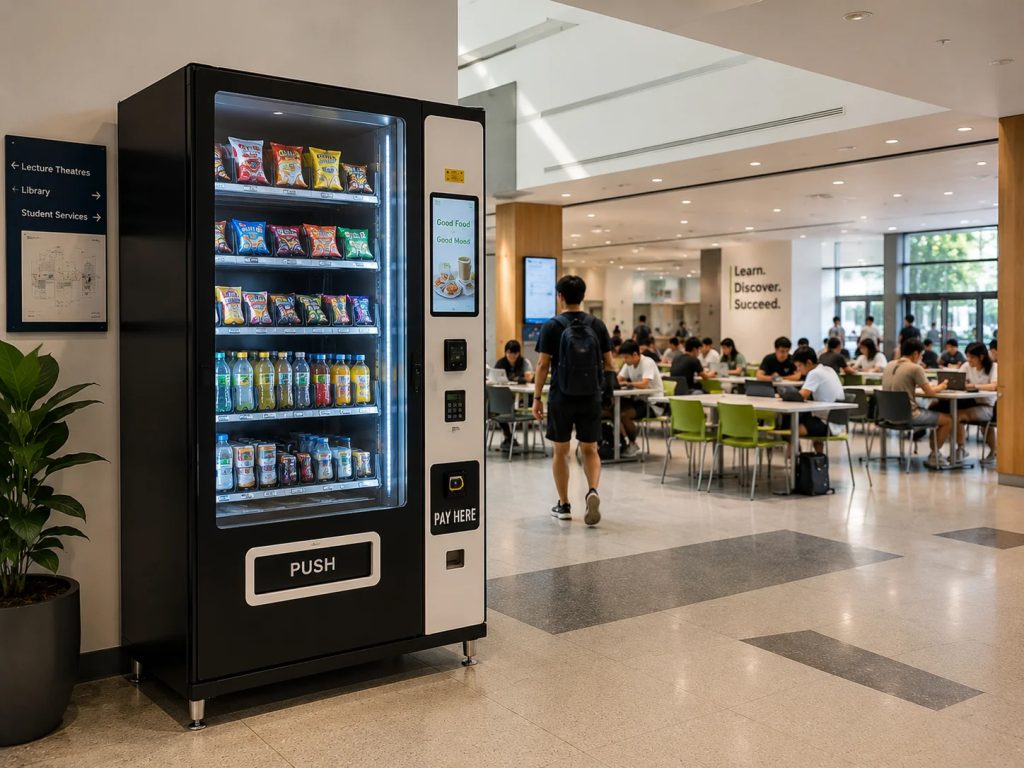
schools and university campuses

Educational institutions offer large, predictable populations, though product restrictions are stricter than almost anywhere else.

  • What sells: Drinks, snacks, and stationery/study essentials at the tertiary level.
  • Why it works: Students and staff are on campus for extended hours, often without easy access to off-campus options during the day.
  • Considerations: Schools (especially at the primary and secondary level) are subject to Ministry of Education and Health Promotion Board guidelines on what can be sold to students, particularly around sugar content and healthier choice labelling. University campuses have more flexibility but still typically vet vendors through campus facilities management.

How to Determine the Best Vending Machine Location

Choosing the right location can have a greater impact on sales than the vending machine itself. Before committing to a site, consider the following factors.

Not every business needs a vending machine, but the right location can benefit both the business and the people using the space. Before installing one, consider the following factors.

1. Understand Who Will Use the Machine

Start by identifying who the vending machine will serve and when they are most likely to use it.

  • Employees: Office staff, factory workers, or healthcare professionals looking for convenient refreshments during the workday.
  • Customers and visitors: Hotel guests, hospital visitors, students, or shoppers who may need quick access to drinks, snacks, or coffee while on-site.
  • What to consider: Businesses with a steady flow of employees, customers, or visitors generally see the greatest benefit from installing a vending machine.

2. Evaluate Your Location

A vending machine performs best when it is placed where people naturally pass by or spend time.

Consider factors such as:

  • Daily foot traffic
  • Time spent at the location
  • Existing food and beverage options nearby
  • Available floor space
  • Access to electricity and, where required, a water supply

Locations with consistent foot traffic and limited nearby refreshment options are often the most suitable.

3. Choose the Right Type of Vending Machine

The products offered should match the needs of the people using the space.

  • Offices: Coffee, beverages, and snacks
  • Hotels: Coffee, drinks, snacks, and convenience items
  • Hospitals: Coffee, beverages, snacks, and ready-to-eat meals
  • Schools and universities: Healthier snacks and beverages
  • Retail spaces: Drinks, snacks, or specialty products

Selecting the right machine helps improve convenience while increasing usage.

4. Check Installation Requirements

Before proceeding, confirm that the proposed location can accommodate the machine.

This includes:

  • Sufficient floor space
  • Safe customer access
  • Clearance for servicing and replenishment
  • Suitable electrical connection
  • Water connection, if required for coffee machines

5. Understand Regulatory Requirements

The requirements depend on what the vending machine dispenses.

  • Food and beverage vending machines: The Singapore Food Agency (SFA) adopts a risk-based approach. Machines preparing or heating food generally require a licence, while those selling sealed pre-packed food from approved suppliers have fewer requirements.
  • Site approval: Businesses should also ensure they have permission from the building owner or property management before installation.
  • Safety requirements: Machines must comply with the relevant electrical and fire safety standards.

If you’re unsure whether your premises are suitable, many vending machine suppliers can assess your location and recommend the most appropriate machine based on your available space, foot traffic, and intended users.

Common Location Mistakes to Avoid

Choosing the right location is just as much about avoiding common mistakes as it is about finding a busy site. Here are some of the most common pitfalls to watch for:

  • Looking only at foot traffic: A location may have lots of people passing by, but if nearby cafés, convenience stores, or pantries already offer similar products, sales may still be low.
  • Ignoring dwell time: People are more likely to make a purchase when they’re waiting, such as in offices, clinics, or transport hubs, than when they’re simply walking past.
  • Paying too much for the location: High rental fees can quickly reduce your profits, even if the machine generates steady sales.
  • Choosing the wrong machine for the audience: Consider who uses the space. For example, a premium coffee machine may suit an office, while a snack and beverage machine may be a better fit for a school or transport hub.
  • Overlooking approvals and licensing: Depending on the location and products sold, you may need approval from the property owner and licences or permits from authorities such as the Singapore Food Agency (SFA), HDB, or the Town Council.
  • Forgetting about maintenance and restocking: A location might seem ideal, but if it’s difficult to access regularly, keeping the machine stocked and well-maintained can become challenging.

Conclusion

The best vending machine location ultimately depends on the people using the space. Businesses with a steady flow of employees, customers, or visitors often benefit the most, especially when convenient food and beverage options are limited. Choosing the right machine also means considering factors such as available space, daily foot traffic, and the products that best suit your environment.

If you’re considering a vending machine for your workplace or commercial premises, CoffeeBot Singapore offers rental solutions tailored to a wide range of business environments. Contact us today to discuss your requirements and discover the right vending machine solution for your space. 

Frequently Asked Questions

1. What is the best location for a vending machine in Singapore?

There is no single best location. It depends on your target audience and their buying habits.

  • Offices, residential estates, and schools: Ideal for repeat customers who pass by every day.
  • Hospitals, hotels, and transportation hubs: Ideal for people wanting quick, convenient purchases, especially outside normal operating hours.

In general, the best locations combine steady foot traffic, limited competition, and genuine demand.

2. Do I need a licence to place a vending machine in Singapore?

It depends on what the machine dispenses.

  • Food prepared or heated on-site: Generally requires a licence from the Singapore Food Agency (SFA).
  • Pre-packed food from approved suppliers: Usually has lighter regulatory requirements.
  • Installation approval: You’ll also need permission from the property owner or building management, as well as compliance with electrical and fire safety requirements.

3. How much does it cost to place a vending machine in Singapore?

Costs vary depending on the machine and location. A basic vending machine rental usually ranges from S$200 to S$500 per month, depending on the location, and additional costs may include delivery, installation, and any applicable licensing fees. 

4. Can I put a vending machine in an HDB void deck?

Yes, but approval is required from the Town Council managing the estate. If the machine dispenses food, you must also comply with the relevant SFA requirements.

5. How does a vending machine help my business?

A vending machine can improve convenience for employees, customers, and visitors by providing easy access to coffee, drinks, snacks, or other essentials throughout the day. It also helps businesses enhance workplace amenities without the cost of operating a staffed café or pantry. Many rental providers include installation, maintenance, and replenishment, making it a low-maintenance solution for many businesses.

Can You Rent a Vending Machine in Singapore?

can you rent a vending machine in singapore

Introduction

Vending machines have become an increasingly common feature across workplaces and commercial spaces in Singapore. Market research has shown that advances in Singapore’s cashless payment technology, IoT connectivity, and remote machine management have made vending machines easier to operate, while their compact footprint makes them well-suited to Singapore’s space-conscious environment.

Today, businesses can rent a vending machine in Singapore for a wide range of purposes, from selling their own products to providing convenient food and beverage options for employees, customers, and visitors. This guide explains how the process works, the different rental models available, typical costs, and the key factors to consider before choosing a solution for your business.

What is a Vending Machine?

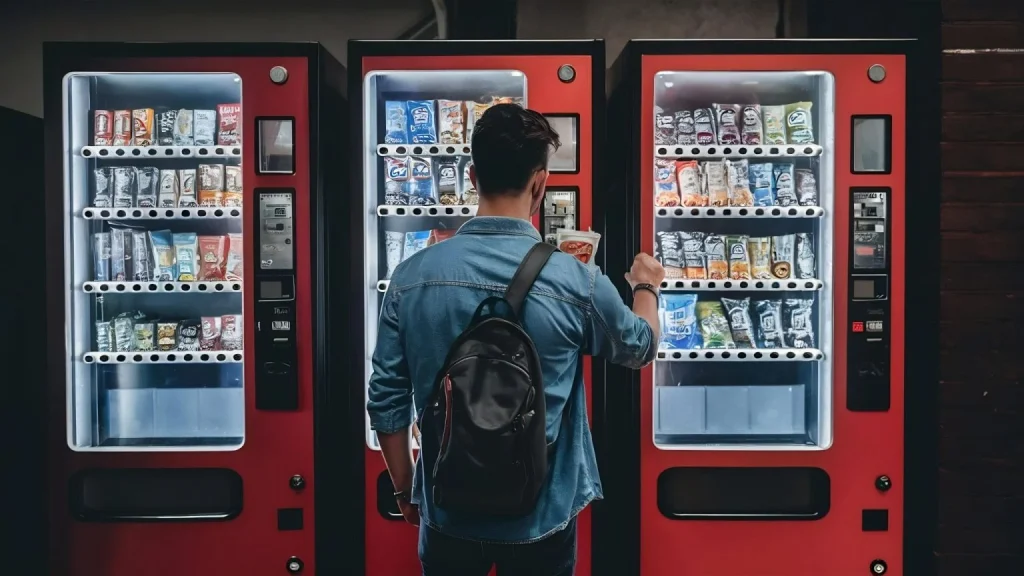
A vending machine is a self-contained, automated retail unit that dispenses products in exchange for payment, with no staff required at the point of sale. Customers simply select an item, pay using cash, card, or e-wallet, and the machine dispenses the product.

Many modern vending machines are IoT-enabled, cashless-ready, and remotely monitored, making them a convenient solution for both operators and users.

For businesses, vending machines generally serve one of two purposes:

  • Amenity provision: Businesses install a vending machine to provide convenient food, drinks, or other products for employees, customers, or guests. In most cases, the vending machine supplier manages installation, stocking, maintenance, and servicing, allowing the business to offer the amenity without handling day-to-day operations.
  • Revenue generation: Businesses operate the vending machine themselves by stocking their own or third-party products, setting prices, and collecting the sales revenue. This model offers greater control but also requires ongoing inventory management and machine maintenance.

Renting vs Leasing vs Buying a Vending Machine in Singapore

These three terms are often used loosely, but they refer to meaningfully different arrangements:

  • Renting is a short-to-medium-term agreement where you pay a monthly fee to use the machine. The supplier retains ownership and is typically responsible for maintenance and repairs. Rental contracts tend to be more flexible, with shorter minimum terms.
  • Leasing is a longer-term commitment, usually 12 to 36 months. Like renting, the supplier owns the machine, but the contract is harder to exit early. Leasing often comes with lower monthly costs than renting in exchange for that commitment.
  • Buying means you own the machine outright. You bear the full upfront cost and take on responsibility for maintenance, repairs, and eventual replacement.

Quick Comparison between Renting, Leasing & Buying a Vending Machine

RentingLeasingBuying
Average costSGD 200–700/monthSGD 150–500/monthSGD 4,000–20,000 upfront
Minimum termFlexible (some event rentals daily)12–36 months typicallyN/A (one-off)
MaintenanceUsually, the supplier’s responsibilityShared or supplier’s responsibilityOwner’s responsibility
Best forTesting locations, short-term needs, and managed office solutionsEstablished operators wanting lower ongoing costsOperators with capital and long-term plans
ProsLow commitment, easy to swap machinesLower monthly outlay than rentingNo recurring rental fees, full control 
ConsHigher monthly cost over timeEarly exit penaltiesHigher upfront cost, maintenance, restocking, and operating costs 

Benefits of Vending Machines for Businesses 

  • 24/7 availability: Provide food, beverages, or products at any time, including after business hours.
  • Improved convenience: Give employees, customers, or visitors quick access to refreshments or essential items without leaving the premises.
  • Space-efficient: Requires significantly less space than a café, pantry, or retail store.
  • Cashless payment options: Most machines support cards, mobile wallets, and QR code payments for faster transactions.
  • Wide product variety: Dispense everything from snacks and coffee to fresh meals, personal care items, and specialty products.
  • Scalable: Easily add or relocate machines as your business grows or operational needs change.
  • Low staffing requirements: Operates without dedicated on-site staff, helping reduce day-to-day operational demands.
  • Smart technology: Many modern vending machines include IoT monitoring, allowing stock levels, sales, and machine performance to be tracked remotely.

Which Business Model Fits Your Business Purpose?

As this guide focuses on vending machine rental, the sections that follow will explore rental models and considerations in greater detail. 

Before choosing a vending machine rental model, consider what you want to achieve. Most businesses rent vending machines either to provide a convenient amenity for employees, customers, or visitors or to sell products as a source of revenue.

1. Providing an Amenity

providing an amenity

For offices, hotels, hospitals, schools, and other commercial spaces, vending machines are often an operational decision rather than a source of direct revenue. A fully managed vending solution is usually the best fit, as the supplier provides the machine and manages restocking, maintenance, and servicing, while the business simply provides the space.

Best rental model: Fully Managed Vending Solution

  • Purpose: Improve convenience for employees, customers, guests, or visitors.
  • Revenue: Usually none, although some suppliers offer revenue sharing.
  • Restocking: Managed by the supplier.
  • Maintenance: Managed by the supplier.
  • Best for: Offices, hotels, hospitals, schools, and other commercial spaces.
  • Why businesses choose it: Convenient on-site refreshments, minimal operational involvement, and a scalable solution for workplaces of all sizes.

2. To Sell Their Own Products

to sell their own products

Businesses that want to sell their own products often rent a vending machine to avoid the high upfront cost of purchasing one. A self-operated rental provides greater flexibility while allowing businesses to test locations, expand gradually, and upgrade equipment as needed.

Best rental model: Self-Operated Rental

  • Purpose: Generate revenue through product sales.
  • Revenue: Yours to keep.
  • Restocking: Your responsibility.
  • Maintenance: Usually handled by the supplier, subject to the rental agreement.
  • Best for: Retailers, entrepreneurs, niche brands, and businesses operating vending machines as a sales channel.
  • Why businesses choose it: Lower upfront investment, easier location testing, flexible expansion, and simpler equipment upgrades.

What Kinds of Vending Machines Can You Rent in Singapore?

Here’s a brief breakdown of the most common vending machine types available for rent in Singapore. For a full breakdown, visit our article on What Are the Different Types of Vending Machines in Singapore? 

1. Food and Beverage Vending Machines

food and beverage vending machines

The most common category, which covers everything from packaged snacks and chilled drinks to hot meals and frozen food. Rental costs for standard snack machines start from around SGD 200 to SGD 400 per month, while refrigerated combo units typically range from SGD 300 to SGD 500 per month.

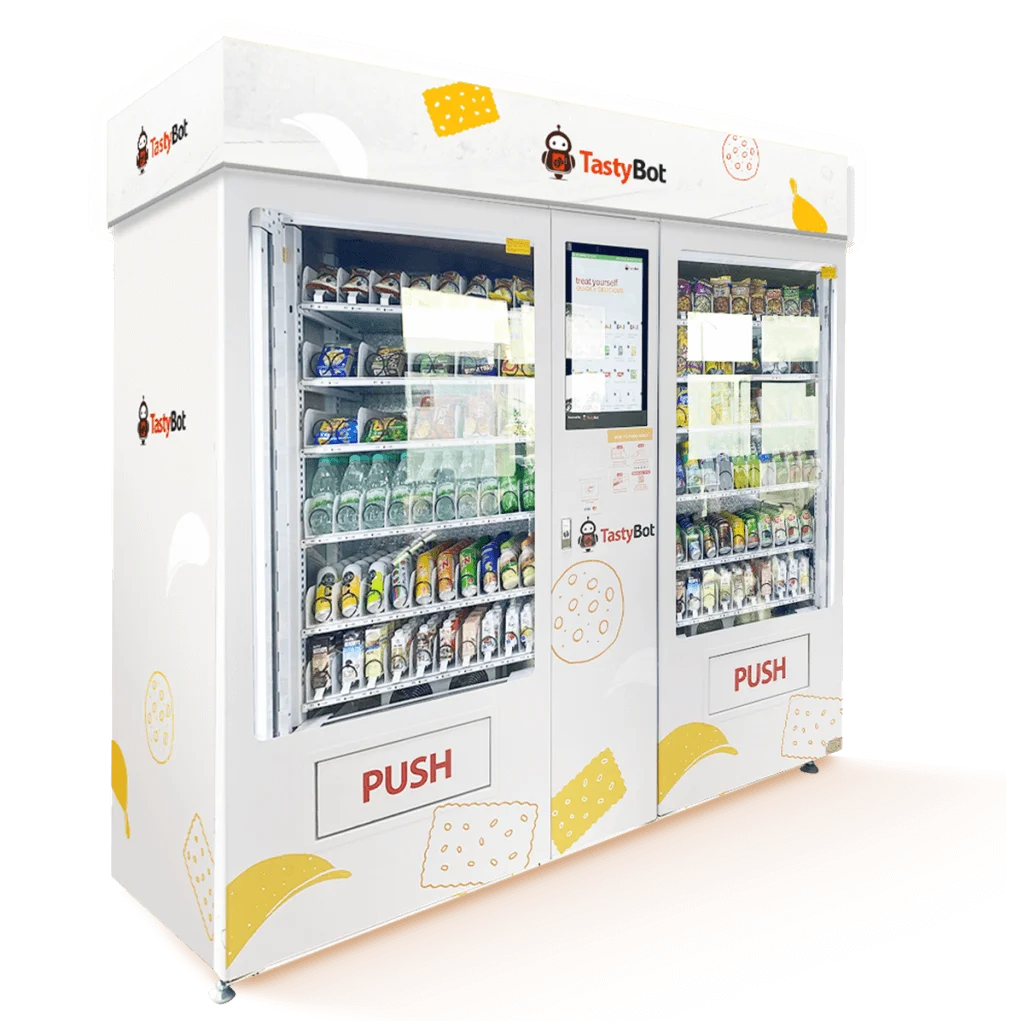
As a food vending machine supplier in Singapore, CoffeeBot offers this solution through TastyBot, a fully managed food and beverage vending machine designed to provide convenient access to snacks and drinks in workplaces, commercial spaces, and public venues.

2. Coffee Vending Machines

coffee vending machines

Coffee machines are among the most popular vending machine types for offices, hotels, hospitals, and other commercial spaces. They range from basic instant coffee machines to fully automatic bean-to-cup models that grind fresh coffee for every cup, allowing businesses to choose a solution that matches their budget and user expectations.

3. Specialty Vending Machines

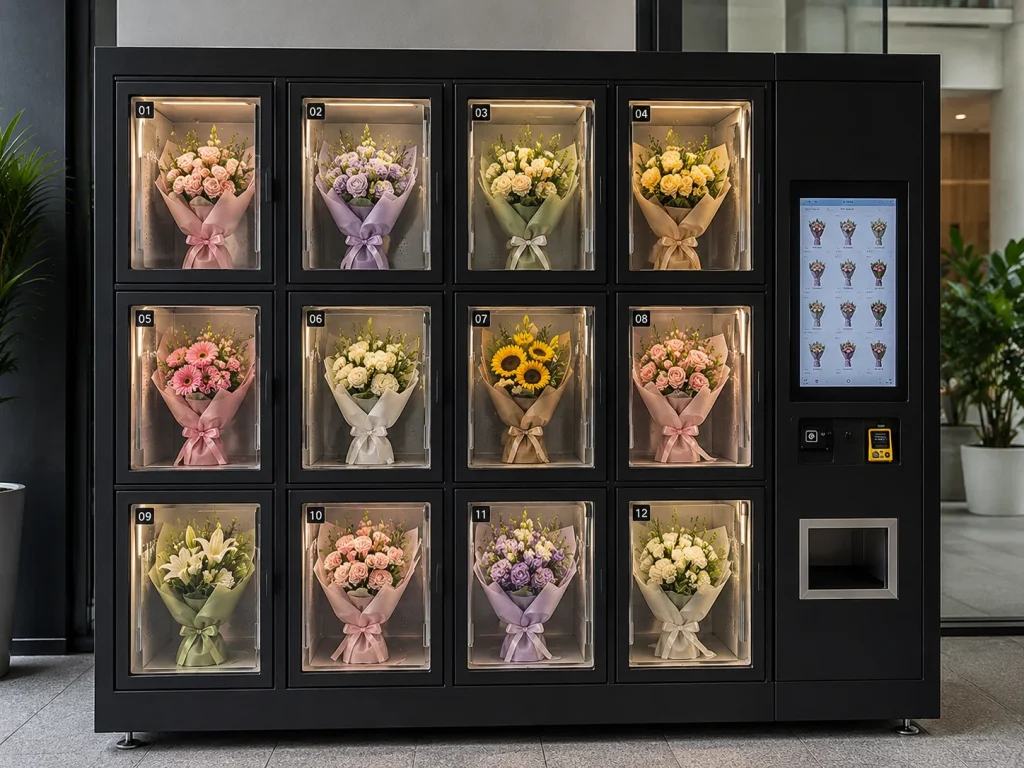
Covers everything outside the standard food, drink, and coffee categories: books, electronics accessories, flowers, automotive care products, health supplements, and more. These often use locker-style compartments rather than coil mechanisms, and are built or customised for the specific product type.

How to Rent a Vending Machine in Singapore

The rental process varies depending on whether you want a fully managed vending solution or a self-operated rental. Here’s what to expect for each:

StepFully Managed RentalSelf-Operated Rental
1. Define your objectiveDecide what refreshments or products you want to offer employees, customers, or visitors.Decide what products you want to sell and identify your target customers.
2. Register your businessNot typically required if you’re simply hosting a supplier-managed vending machine.Make sure your business is registered with the Accounting and Corporate Regulatory Authority (ACRA) if you’re operating the vending machine as a business. 
3. Choose a machineThe supplier recommends a suitable coffee, snack, beverage, or food vending machine based on your location and expected demand.Select a machine that suits the products you intend to sell and your operational requirements.
4. Secure a locationProvide a suitable space with access to power and any required utilities.Obtain approval from the property owner or landlord and ensure the location has sufficient foot traffic and utilities.
5. Finalise the agreementReview the rental agreement, including servicing, maintenance, restocking, and contract terms.Review the rental agreement, including maintenance responsibilities, contract duration, and servicing arrangements.
6. Installation and setupThe supplier installs, stocks, and commissions the machine before it goes live.The supplier installs the machine, after which you stock it, set prices, and prepare it for operation.
7. Ongoing operationsThe supplier manages restocking, servicing, maintenance, and repairs.You manage inventory, pricing, and restocking, while the supplier typically handles mechanical servicing according to the contract.

Factors to Consider Before Renting a Vending Machine in Singapore

Whether you choose a fully managed or self-operated rental, there are several factors to evaluate before signing a rental agreement:

FactorFully Managed RentalSelf-Operated Rental
BudgetMonthly rental fees are generally fixed and may include servicing, maintenance, and restocking.Consider rental fees alongside inventory purchases, utilities, insurance, and operating expenses.
MaintenanceUsually handled entirely by the supplier.Confirm which maintenance responsibilities belong to you and which are covered by the supplier.
RestockingManaged by the supplier.You are responsible for sourcing products, inventory management, and restocking schedules.
LocationEnsure there is adequate space, power, and demand for the machine.Choose a location with strong foot traffic and customer demand to maximise sales.
RevenueRevenue sharing may be available depending on the supplier and agreement.All sales revenue is yours, but profitability depends on pricing, margins, and sales volume.
ComplianceConfirm whether the supplier manages any required licensing or regulatory compliance.Check whether your vending machine requires licensing from the Singapore Food Agency (SFA).

Location can have a significant impact on vending machine performance. For more tips on choosing the right site, read our guide on good vending machine locations.

Conclusion

So, can you rent a vending machine in Singapore? Absolutely. Whether you’re looking to provide quality coffee for your workplace or convenient refreshments for customers and visitors, renting a vending machine is a flexible, low-commitment way to get started. By choosing the right machine, rental model, and supplier, you can get the most value from your vending machine.

Ready to skip the guesswork? CoffeeBot provides fully managed coffee and vending machine solutions for offices, HoReCa businesses, healthcare facilities, educational institutions, and commercial spaces across Singapore. No maintenance headaches, no restocking runs, just quality coffee and convenience, wherever your people need it. Contact us today and start your free machine trial now! 

Frequently Asked Questions

1. Do I need a licence to operate a vending machine in Singapore?

It depends on what your vending machine sells. If it dispenses higher-risk food, such as hot meals, freshly prepared food, raw or minimally processed products, or food prepared inside the machine, you’ll need a Food Vending Machine Licence from the Singapore Food Agency (SFA). The current licence fee is SGD 195 per year.

Machines selling pre-packaged food from SFA-licensed suppliers may not require a separate licence, while machines dispensing non-food items generally do not require one. If you’re unsure, check the SFA’s licensing requirements for your specific machine and products.

2. Who restocks the vending machine?

This depends on your rental model:

  • Self-operated rental: You are responsible for purchasing products, managing inventory, and restocking the machine.
  • Fully managed rental: The supplier handles restocking, servicing, and maintenance as part of the rental package.

Always confirm each party’s responsibilities before signing the rental agreement.

3. Is renting better than buying a vending machine?

For many businesses, renting is the lower-risk option, especially when starting out. It requires less upfront capital, offers predictable monthly costs, and often includes maintenance and servicing.

Buying gives you full ownership and may be more cost-effective in the long run, but it also requires a higher upfront investment and ongoing responsibility for maintenance, repairs, and replacements. The best option depends on your budget, business goals, and long-term plans.

4. How much does it cost to rent a vending machine in Singapore?

Rental costs vary by machine type and what’s included in the agreement. As a general guide:

  • Basic snack machines: SGD 300–450 per month
  • Smart machines: SGD 550–750+ per month
  • Hot food/specialty machines: SGD 600–900 per month

For fully managed solutions where the supplier also handles restocking and maintenance, the arrangement may be structured differently, sometimes with no rental fee in exchange for revenue from product sales, or a profit-sharing model where the venue receives a percentage of takings. Always clarify exactly what is and isn’t included in the monthly fee before signing.

5. How long does it take to achieve ROI on a vending machine rental?

ROI depends on factors such as location, product mix, pricing, and operating costs. A well-placed machine in a high-traffic location may recover its startup costs within 12 to 18 months, while lower-performing locations can take considerably longer.

Before committing, estimate your expected monthly costs, including rental, inventory, utilities, insurance, and location fees, then compare them against your projected sales to determine your expected break-even period.

What are the Different Types of Vending Machines?

what are the different types of vending machines

Introduction

Walk through any MRT station, office lobby, hospital corridor, or university campus in Singapore, and you will likely pass a vending machine. Once limited to snacks and drinks, these machines now dispense everything from fresh coffee to books, flowers, and everyday essentials. 

If you are a business owner deciding which type of vending machine best suits your space, or simply curious about how these machines differ, this guide explores the main categories based on product type, technology, hardware, and installation setting. We will also cover the key components of a vending machine and the factors to consider before choosing one for your business.

What is a Vending Machine?

A vending machine is a self-service machine that dispenses products after a customer makes a payment, without the need for a cashier or sales staff. Whether it sells snacks, drinks, coffee, or other products, customers simply make their selection, pay, and collect the item within seconds. 

How Does a Vending Machine Work?

The entire process is automated, allowing businesses to operate without a shopfront or on-site staff. Under Singapore law, a food vending machine is officially defined as a machine or mechanical device used to sell or supply food directly to a customer without the personal involvement of a seller or their employee at the point of sale.

While vending machines selling non-food items generally do not require a licence, certain food vending machines must be licensed by the Singapore Food Agency (SFA), particularly those dispensing higher-risk products such as raw meat, seafood, or food prepared within the machine. Machines that dispense pre-packed food from SFA-licensed suppliers are considered lower risk and do not require a separate licence.

Common Parts of a Vending Machine

Regardless of type, most vending machines share a similar set of core components:

  • Selection panel: Where customers choose their product, either via buttons, a keypad, or a touchscreen.
  • Payment system: Accepts cash, coins, cards, or cashless payments such as NETS and PayNow.
  • Dispensing mechanism: The coil, shelf, locker, or drop system that releases the product.
  • Storage compartment: Holds the inventory, sometimes refrigerated or heated depending on the product.
  • Control board: The internal electronics that coordinate payment confirmation, product selection, and dispensing.
  • Collection tray or door: Where the customer retrieves their purchased item.
  • Display screen (smart machines only): Shows promotions, stock availability, or advertising content.

Why Do Businesses Rent a Vending Machine in Singapore?

Vending machines have become a popular addition to workplaces and public spaces for several reasons:

  • Improve convenience: Provide employees, customers, and visitors with easy access to coffee, snacks, beverages, and other essentials without leaving the premises.
  • Support 24/7 operations: Keep refreshments available around the clock in locations such as hospitals, hotels, and transportation hubs.
  • Enhance workplace amenities: Offer convenient self-service refreshments to improve employee and guest experience.
  • Reduce operating costs: Enjoy a more cost-effective alternative to operating a staffed café or pantry, with many suppliers handling installation, maintenance, and replenishment.
  • Adapt to different venues: Choose from coffee, snack, beverage, or combination vending machines to suit offices, hotels, hospitals, schools, and event spaces.

Types of Vending Machines Based on Technology

1. Smart Vending Machines

smart vending machines

Smart vending machines are internet-connected units equipped with features such as cashless payment, touchscreen interfaces, and remote monitoring. They are designed to provide a more convenient experience for users while making it easier for suppliers to manage maintenance and replenishment.

For businesses renting vending machines, smart machines offer a modern, hassle-free solution. Employees, customers, and visitors can enjoy quick cashless transactions using payment methods such as NETS, PayNow, and mobile wallets, while the supplier remotely monitors machine performance and stock levels to ensure minimal downtime.

2. Traditional Vending Machines

traditional vending machines

Traditional vending machines are mechanical or basic electronic units that dispense products without internet connectivity or advanced digital features. They typically accept cash, and some models may support basic card payments.

These machines remain a practical option for businesses looking for a straightforward refreshment solution. They are generally more affordable and easier to operate, making them suitable for locations with lower foot traffic or businesses that do not require smart features.

Quick Comparison: Smart vs. Traditional Vending Machine

FeatureSmart Vending MachineTraditional Vending Machine
Payment OptionsCashless payments (NETS, PayNow, e-wallets), with some models also accepting cashUsually cash, with some models supporting basic card payments
User ExperienceTouchscreen interface and faster transactionsSimple button-based operation
ConnectivityInternet-connected for remote monitoringNo internet connectivity
MaintenanceRemote monitoring helps detect faults and low stock early, allowing faster maintenance and replenishmentRelies mainly on routine on-site checks and reported issues
Best Suited ForOffices, hospitals, hotels, and other modern workplacesBudget-conscious businesses or locations with lower foot traffic

Types of Vending Machines Based on Hardware Mechanism

While technology affects how a vending machine operates, its hardware mechanism determines how products are stored and dispensed. Different mechanisms are designed to accommodate different types of products:

coil spiral machines

Use a rotating spiral coil to push packaged snacks or bottled drinks forward until they drop. This is the most common mechanism for snack and drink machines.

Best suited for: Packaged snacks, bottled drinks, canned beverages, and other durable products. 

Use built-in scales to verify that the correct item (and quantity) was dispensed, commonly found in more advanced snack and grocery vending units.

Best suited for: Premium snack machines, grocery vending, and machines dispensing products with varying weights.

cup and brew mechanisms

These systems grind, brew, or mix each drink on demand instead of dispensing a pre-made beverage. They are commonly found in modern coffee vending machines that provide freshly brewed coffee with minimal preparation time.

Best suited for: Offices, hotels, hospitals, cafés, and other locations that want to offer freshly brewed coffee and hot beverages with a convenient self-service experience.

locker style machines

Dispense items by unlocking an individual compartment or locker rather than dropping the product, often used for fragile items, electronics, or food that needs to stay upright, such as flowers or cakes.

Best suited for: Flowers, cakes, electronics, books, cosmetics, meal collection, and other fragile or high-value items. 

Combine a coil or shelf mechanism with built-in chillers or freezers, used for cold drinks, dairy, or frozen food.

Best suited for: Chilled beverages, dairy products, fresh meals, sandwiches, salads, desserts, and frozen food. 

Types of Vending Machines Based on What They Sell

1. Food & Snack Vending Machines

food snack vending machines

Dispenses: Packaged snacks such as chips, biscuits, chocolates, and confectionery.

Common locations: Offices, schools, transportation hubs, and other public spaces.

Ideal for: Providing quick and convenient snack options in high-traffic or shared environments. 

An example of a food vending machine is the TastyBot Vending Machine, which offers a wide selection of snacks for workplaces, commercial buildings, and public venues. 

2. Beverage Vending Machines

Dispenses: Canned and bottled drinks, including soft drinks, bottled water, juices, and isotonic beverages.

Common locations: Offices, gyms, schools, hospitals, transportation hubs, and retail spaces.

Ideal for: Keeping beverages chilled and easily accessible, with options to cater to both traditional and health-conscious consumers.

TastyBot also serves as a drinks vending machine Singapore businesses can rent to provide chilled beverages in offices, schools, hospitals, and other shared spaces. 

3. Coffee Vending Machines

coffee vending machines

Dispenses: Freshly brewed coffee and other hot beverages, ranging from instant coffee to bean-to-cup drinks.

Common locations: Offices, hotels, hospitals, universities, and corporate pantries.

Ideal for: Providing café-style coffee through a convenient self-service setup.

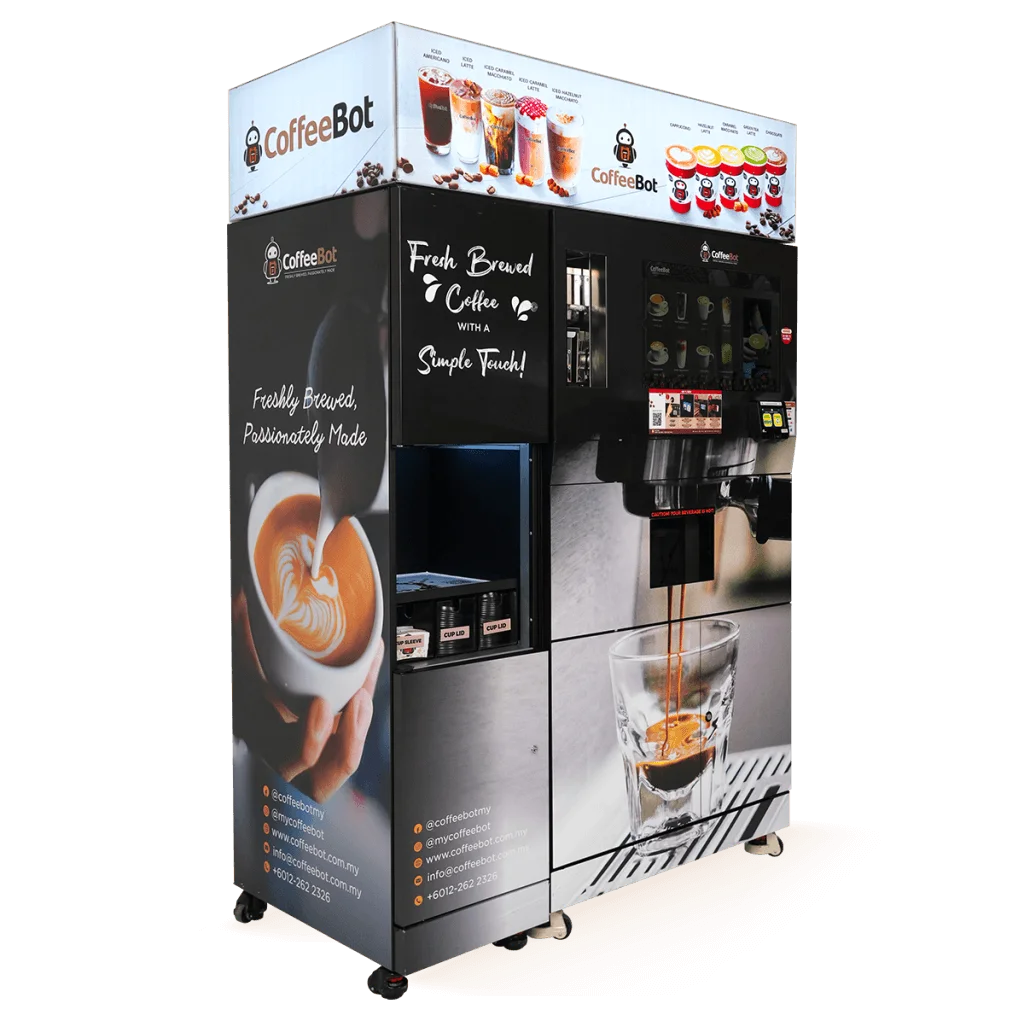
Businesses looking for a coffee machine rental in Singapore can opt for the CoffeeBot Vending Machine, which delivers freshly brewed coffee with installation, maintenance, and ingredient replenishment included. 

4. Hot Food Vending Machines

Dispenses: Ready-to-eat meals such as bento boxes, noodles, sandwiches, and pastries.

Common locations: Hospitals, universities, offices, transportation hubs, and other locations requiring food outside normal operating hours.

Ideal for: Offering convenient access to hot meals throughout the day. 

In Singapore, these machines must comply with stricter SFA food safety requirements: food must come from SFA-licensed central kitchens or approved suppliers, and must be maintained at safe temperatures (hot food at no less than 60°C, chilled food below 5°C). 

5. Specialty & Custom Vending Machines

Dispenses: Non-traditional products such as flowers, books, electronics, sports supplements, personal care products, and other niche items.

Common locations: Shopping malls, airports, hotels, events, and specialty retail environments.

Ideal for: Selling unique or higher-value products using customised vending solutions designed for specific product types.

Types of Vending Machines Based on Installation Setting

types of vending machines based on installation setting

Where a vending machine is installed influences the products it should offer and the type of machine best suited to the location. For more guidance on evaluating different venues, explore our guide to choosing the best vending machine location. 

  • Office Vending Machines: Often include a mix of snack, beverage, and coffee machines for employees. Businesses looking for an office coffee machine may also consider rental solutions for added convenience. 
  • Hotel Vending Machines: Commonly stocked with drinks, snacks, toiletries, and convenience items in lobbies or guest corridors. Many coffee machines in hotels are installed in lobbies, lounges, and breakfast areas to provide self-service beverages for guests. 
  • School & University Vending Machines: Often stocked with healthier snacks and beverages to support student wellbeing while offering convenient refreshments across campus.
  • Hospital Vending Machines: Designed to operate around the clock, providing food, drinks, and other essentials for healthcare workers, patients, and visitors outside regular operating hours. Many healthcare facilities also invest in a dedicated hospital coffee solution to ensure freshly brewed beverages are always available. 
  • Transportation Hub Vending Machines: Commonly found in MRT stations, bus interchanges, airports, and ferry terminals, offering quick access to drinks, snacks, coffee, and travel essentials for commuters.
  • Retail & Shopping Mall Vending Machines: Usually offer snacks, beverages, flowers, electronics, cosmetics, or other specialty products. Their high-traffic locations make them ideal for impulse purchases.
  • Manufacturing & Industrial Vending Machines: May dispense refreshments alongside workplace essentials such as personal protective equipment (PPE), tools, and spare parts to support day-to-day operations.
  • Event Vending Machines: Typically rented for conferences, exhibitions, weddings, and corporate events to provide refreshments, promotional merchandise, or branded giveaways during short-term events.

Things to Consider Before Purchasing or Renting a Vending Machine

1. Available Space

Measure the intended installation area before selecting a vending machine. Consider not only the machine’s footprint, but also the clearance required for servicing, restocking, and for customers to use the machine comfortably. Larger coffee or combination vending machines typically require more space than compact countertop models.

2. Installation Location

Choose a location that is easily accessible and receives regular foot traffic, such as office pantries, hotel lobbies, hospital waiting areas, or staff lounges. The machine should be placed where it adds convenience without obstructing walkways or emergency exits. Access to a power supply and, where required, a water connection should also be considered.

3. User Needs

Think about who will be using the vending machine and the products they are most likely to need. For example, offices may benefit from coffee and snack machines, hospitals often require refreshments around the clock, while hotels may prioritise coffee, beverages, and convenience items for guests.

4. Machine Type

Select a vending machine that matches your intended use. Coffee vending machines are ideal for workplaces and hospitality settings, while snack, beverage, combination, or specialty machines may better suit other environments depending on user demand and available space.

5. Supplier Support

If you are renting a vending machine, check what services are included in the rental package. Many suppliers provide installation, preventive maintenance, servicing, and regular replenishment, helping businesses keep the machine operating with minimal day-to-day involvement.

6. Budget & Rental Options

Compare the total cost of purchasing and renting based on your business needs. Renting is often preferred by businesses that want lower upfront costs and ongoing supplier support, while purchasing may be more suitable for organisations planning a long-term installation and managing maintenance in-house.

Conclusion

When choosing a vending machine, focus on fit rather than features. The right machine should suit your location, product offering, and the people using it. A well-matched solution is easier to manage and delivers better value over the long term. 

As a trusted vending machine supplier in Singapore, CoffeeBot Singapore provides tailored vending solutions for offices, hotels, hospitals, and other commercial spaces. From setup to ongoing replenishment and maintenance, we take care of everything. Contact us today to find the right solution for your business. 

Frequently Asked Questions

1. How Often Do Vending Machines Need to Be Restocked?

Restocking depends on location and demand. Busy areas may need refilling every few days, while quieter sites can be serviced weekly. Smart machines can also alert operators when stock runs low, making restocking more efficient. 

For food vending machines, products should also be checked regularly to ensure they are removed before their consume-by date in line with hygiene requirements. 

2. Where Is the Best Place to Install a Vending Machine?

The best locations have consistent foot traffic, such as offices, hospitals, schools, MRT stations, hotels, and shopping malls. 

Ensure the site also has access to a power supply and, where required, a water connection for machines like coffee vending units. 

3. How Much Space Is Needed to Install a Vending Machine?

Space requirements vary by machine type. In addition to the machine’s footprint, ensure there is sufficient clearance around the unit for safe operation, customer access, and proper ventilation where required. 

4. Which Type of Vending Machine Is Best for My Business?

The right choice depends on your location, users, and business needs. Consider the products you want to offer, available space, expected demand, and whether a coffee, snack, beverage, combination, or specialty vending machine best suits your venue.

A Complete Guide to the Different Types of Coffee Machines

a complete guide to the different types of coffee machines

Introduction

Choosing the right coffee machine isn’t just about the type of coffee you enjoy; you also need to consider the upfront cost, maintenance, and how well the machine suits your daily needs. For businesses, servicing and ingredient replenishment are equally important considerations.

Singapore’s coffee market reflects this growing demand for coffee. Valued at approximately USD 29.49 million in 2024, it is projected to grow at an annual rate of 8.2% through 2034, reaching nearly USD 64.86 million. As such, this guide explores the different types of coffee machines, what each is best suited for, and how to choose the right solution for your situation. 

What is a Coffee Machine?

A coffee machine is an appliance designed to automate the coffee brewing process, producing everything from black coffee and espresso to cappuccinos and lattes. 

Unlike simpler coffee makers that are typically designed for basic brewed coffee, coffee machines often use pumps, grinders, and programmable settings to deliver consistent results with minimal effort. They range from compact home models to fully automatic and commercial systems for offices, hotels, and other shared spaces. 

Why Invest in a Coffee Machine? 

Before comparing the different types of coffee machines, it’s useful to understand what has driven their growing popularity:

  • Convenient access to fresh coffee: Enjoy freshly brewed coffee whenever you want without queuing at a café or waiting for your order.
  • Long-term savings: Buying coffee every day can quickly become expensive. A coffee machine can pay for itself over time, especially for regular coffee drinkers.
  • Consistent quality: A quality coffee machine delivers the same flavour, temperature, and coffee strength with every cup.
  • Boost workplace productivity: Providing coffee in the workplace gives employees convenient access to refreshments and may help improve alertness and focus throughout the day.
  • Greater beverage variety: Many coffee machines can prepare multiple drinks, from espresso and cappuccino to black coffee and iced beverages, all from a single machine.

Different Types of Coffee Machines

1. Manual Espresso Machines

manual espresso machines

Manual (lever) espresso machines give the user full control over every variable: grind, tamp pressure, water temperature, and extraction time. The user manually pulls a lever or operates a piston to force water through the coffee puck.

  • Key features: No automation; brewing is entirely hands-on, which means real skill is needed to get a consistent shot.
  • Price range: Generally mid-to-high, often starting from a few hundred Singapore dollars for entry-level units and climbing into the thousands for professional-grade machines.
  • Best suited for: Coffee enthusiasts and hobbyists who enjoy the process as much as the result, and who are willing to invest time in learning proper technique.
  • Pros: Complete control over brewing variables and an authentic espresso-making experience.
  • Cons: Steep learning curve, with consistency depending heavily on the user’s skill.

2. Fully Automatic Coffee Machines

fully automatic coffee machines

Fully automatic machines handle the entire brewing process, including grinding, dosing, tamping, and extraction, often at the push of a single button. 

They are popular in offices and hotels, with models such as the CoffeeBot Table Top featuring a built-in fridge compartment for fresh milk, automatic cleaning, and up to nine coffee selections for a convenient coffee experience. 

  • Key features: One-touch operation, programmable settings for strength and volume, and minimal user input required.
  • Price range: Mid-to-high, reflecting the added internal mechanics.
  • Best suited for: Busy households or offices where consistency and speed matter more than hands-on control.
  • Pros: Fast, convenient, and delivers consistent results with minimal effort.
  • Cons: Less flexibility for experimenting with brewing variables and potentially higher repair costs.

3. Semi-Automatic Coffee Machines

Semi-automatic machines handle water pressure and temperature automatically, but the user still grinds (or adds pre-ground coffee), tamps, and controls the timing of the extraction.

  • Key features: A balance between manual control and automation; usually includes a built-in pump for consistent pressure.
  • Price range: Mid-range, sitting comfortably between manual and fully automatic options.
  • Best suited for: Home users who want to learn proper espresso technique without the steepest learning curve of a fully manual machine.
  • Pros: Good balance of automation and manual control, allowing users to refine their brewing technique.
  • Cons: Requires more cleaning and maintenance than fully automatic machines.

4. Capsule or Pod Coffee Machines

capsule or pod coffee machines

Pod machines use pre-portioned coffee capsules, inserted into the machine and brewed in roughly 30 seconds.

  • Key features: Extremely fast brewing, minimal cleanup, consistent results regardless of user skill.
  • Price range: Generally, the most affordable upfront, though the ongoing cost of capsules adds up over time.
  • Best suited for: Individuals or small households who value speed and simplicity over experimenting with coffee styles.
  • Pros: Quick brewing, easy to use, and minimal cleanup.
  • Cons: Higher cost per cup over time, and generates capsule waste.

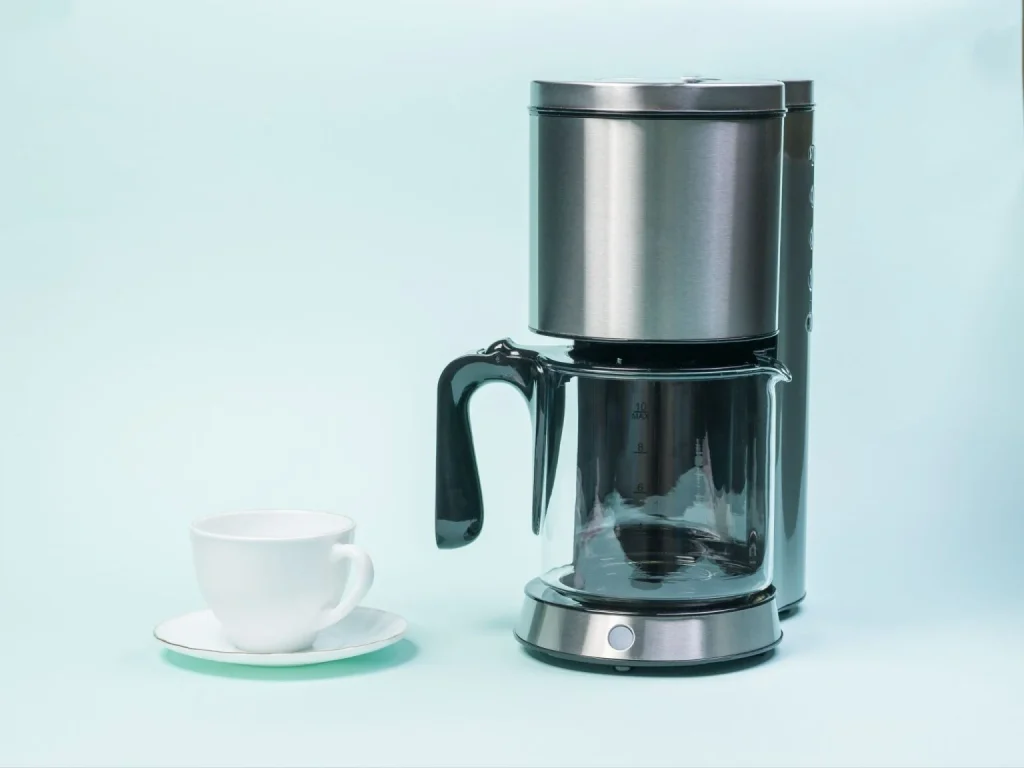
5. Drip Coffee Machines

drip coffee machines

Drip machines brew by passing hot water through a filter basket of ground coffee, producing a full pot rather than a single serving.

  • Key features: Large batch capacity, simple operation, often includes a timer or programmable start.
  • Price range: Generally affordable and accessible.
  • Best suited for: Households or small offices that need multiple cups at once rather than individual servings.
  • Pros: Brews multiple cups at once and is simple to operate.
  • Cons: Not suitable for espresso-based drinks, and coffee quality may decline if left on the warming plate
  • Cons: Requires manual cleanup and careful timing to avoid over-extraction.

6. Cold Brew Coffee Makers

Cold brew makers steep coarsely ground coffee in room-temperature or cold water over an extended period, typically 12 to 24 hours, rather than using heat.

  • Key features: No heat involved, produces a naturally smoother, less acidic concentrate that can be diluted or served over ice.
  • Price range: Affordable for basic steeping containers; more for dedicated cold brew systems.
  • Best suited for: Warm-climate households and anyone who prefers iced coffee as a daily staple rather than an occasional treat.
  • Pros: Produces a smooth, low-acid coffee that’s ideal for iced drinks.
  • Cons: Long brewing time makes it unsuitable for preparing coffee on demand.

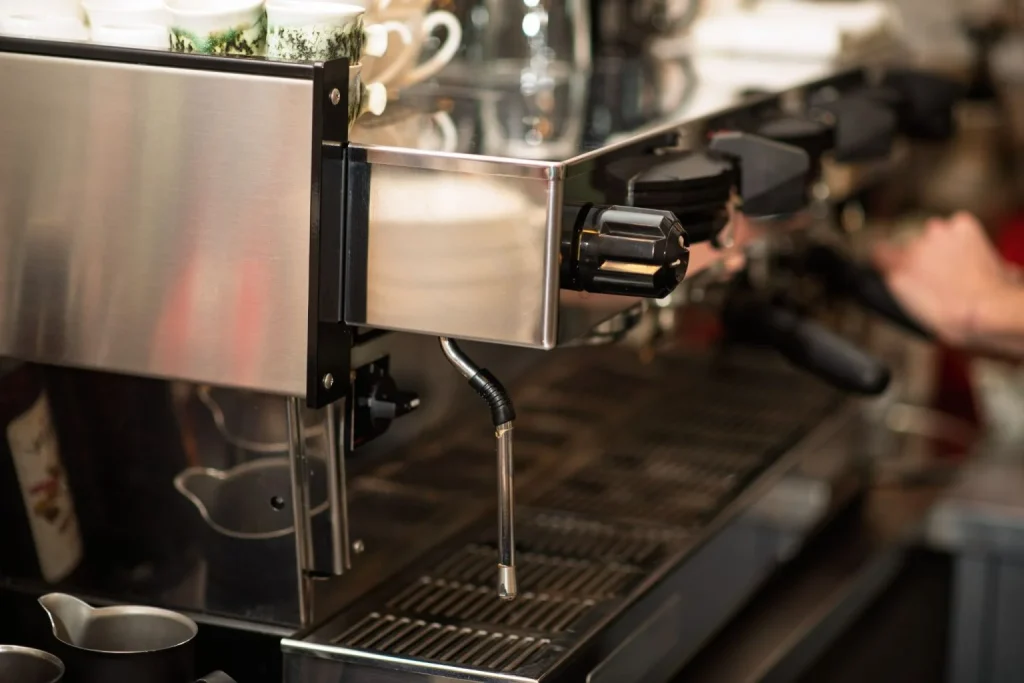
7. Commercial Coffee Machines

commercial coffee machines

Commercial machines are built for high-volume use in cafés, restaurants, and offices, with components designed to withstand repeated daily use without breaking down.

  • Key features: Higher throughput, larger water tanks and bean hoppers, often include multiple group heads or simultaneous brewing capability.
  • Price range: Significantly higher than consumer-grade machines, reflecting the build quality and capacity.
  • Best suited for: Businesses serving coffee to staff, customers, or guests throughout the day.
  • Pros: Designed for heavy daily use with high output and durability.
  • Cons: Expensive to purchase and maintain compared to home machines.

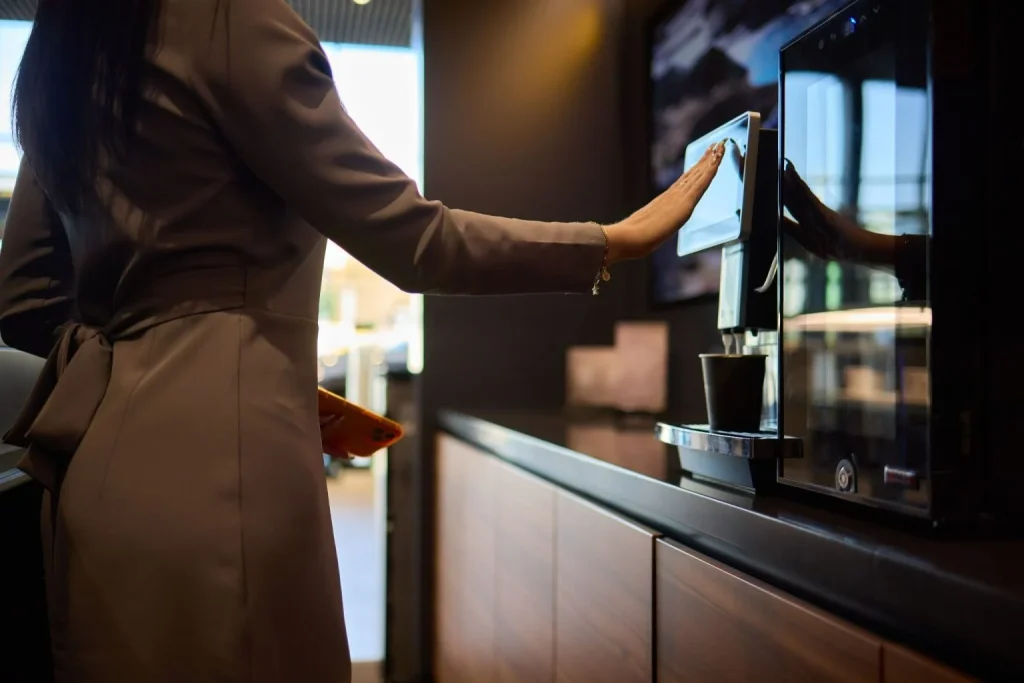
8. Coffee Vending Machines

coffee vending machines

Coffee vending machines prepare freshly brewed coffee on demand through a self-service system, making them ideal for workplaces and commercial environments. Modern models can brew bean-to-cup coffee or dispense a range of beverages, often with cashless payment and remote monitoring. The CoffeeBot Vending Machine is one example of a coffee machine available for rent.

Key features: Self-service operation, multiple beverage selections, cashless payment options, and remote monitoring on selected models.

Price range: Typically available through rental or leasing arrangements.

Best suited for: Offices, hotels, hospitals, universities, and other commercial spaces that want to provide convenient access to freshly brewed coffee throughout the day.

Pros: Convenient self-service solution that can include maintenance, servicing, and ingredient replenishment under a rental package.

Cons: Designed primarily for shared commercial environments rather than individual home use.

Comparing Coffee Machine Types at a Glance

Machine TypeBrewing StylePrice RangeBest For
Manual EspressoLever-operated, full manual controlHighEnthusiasts, hobbyists
Fully AutomaticOne-touch, fully automatedMid-HighBusy households, offices, and cafes
Semi-AutomaticManual grind/tamp, automated pressureMidHome users learning espresso
Capsule/PodPre-portioned podsLow upfront, higher per cupIndividuals, small households
DripFiltered batch brewingLowHouseholds, small offices
Cold BrewLong steep, no heatLow-MidIced coffee drinkers
CommercialHigh-volume automated brewingHighCafés, offices, restaurants
Coffee Vending MachineSelf-service bean-to-cup or instant brewingRental or leaseOffices, hotels, hospitals, universities, and commercial spaces 

How to Choose the Right Coffee Machine

With so many machine types available, narrowing down the right one comes down to a handful of practical questions.

1. Available Space

Measure your intended spot before buying. Bean-to-cup and commercial machines tend to have a larger footprint than pod or drip machines, and some models (like fresh-milk units) need extra clearance for a built-in fridge compartment.

2. Usage Frequency

A small office making five cups a day has very different needs from a corporate office serving fifty staff. Higher usage calls for machines with larger tanks, hoppers, and more durable internal components designed for repeated daily cycles.

3. Coffee Type & Brewing Method

Decide what you actually drink most. If your routine revolves around espresso-based drinks like lattes and cappuccinos, a bean-to-cup or semi-automatic machine makes sense. If you mostly drink black coffee, a drip machine may be all you need.

4. Machine Features & Specifications

Compare the functions that actually matter to you, rather than chasing the machine with the longest spec sheet. A touchscreen interface, programmable strength settings, and several drink options are useful for various preferences.

5. Water Tank Capacity

A larger tank means fewer refills, which matters more in office settings or households with several daily coffee drinkers. Smaller tanks are fine for occasional use but can become a hassle in high-traffic environments.

6. Ease of Cleaning & Maintenance

Look for machines with automatic cleaning cycles or descaling reminders, since neglected maintenance is one of the most common reasons coffee machines break down early or produce poor-tasting coffee.

7. Milk Frothing Capability

If milk-based drinks like cappuccinos and lattes are a priority, check whether the machine has a built-in frother, and whether it uses fresh milk or milk powder, since this affects both taste and maintenance requirements.

8. Energy Efficiency

For machines used multiple times a day, electricity consumption adds up. Look for energy-saving modes or auto-shutoff features, particularly for office machines that may otherwise run continuously.

9. Brewing Speed

Busy locations benefit from machines that brew quickly without sacrificing quality. This matters less for slower, manual methods like pour-over, which are chosen specifically for the ritual rather than speed.

10. Iced Coffee Capability

If cold coffee is part of your routine, particularly relevant in Singapore’s tropical climate, check whether the machine supports iced coffee settings, or whether you’ll need a separate cold brew setup.

Conclusion

Choosing the right coffee machine starts with understanding your needs. Think about how many cups are needed each day, the space available, and how much time you want to spend on brewing and maintenance. Manual espresso machines offer greater control for coffee enthusiasts, while automatic and vending machines for coffee are better suited to busy environments such as offices, shared spaces, or commercial settings. 

Having a reliable coffee setup can help streamline daily routines and reduce reliance on external coffee runs. CoffeeBot Singapore offers a range of coffee machines designed for different operational needs, with rental options that include installation, maintenance, and ingredient replenishment. Contact us today for a free coffee machine trial and discover the right coffee solution for your workplace. 

Frequently Asked Questions

1. Is a coffee machine still worth buying?

Yes, especially for regular coffee drinkers. While there is an upfront investment, a coffee machine can save money over time compared to buying takeaway coffee. The value depends on how often you drink coffee and the type of machine you choose. 

2. Is a coffee machine better than buying takeaway coffee?

For daily coffee drinkers, a coffee machine is generally more cost-effective over the long term. Many fully automatic and bean-to-cup machines can also produce café-quality coffee, while offering the convenience of brewing at home or in the office whenever you need it. 

3. What features matter most in a coffee machine?

This depends entirely on your use case, but the features that tend to matter most across the board are brewing consistency, ease of cleaning, and water tank or bean hopper capacity relative to how often you’ll use the machine. For offices, hotels, and other shared spaces, IoT-enabled stock monitoring and remote servicing support matter more, since they reduce the operational burden on staff. 

4. Who should invest in a coffee machine?

A coffee machine is a worthwhile investment for anyone who drinks coffee regularly. It is especially suitable for offices looking to provide refreshments for employees and businesses that serve coffee to customers or guests. Occasional coffee drinkers may find simpler brewing methods more practical. 

5. How can I make the best coffee with a coffee machine?

Start with fresh coffee beans and filtered water where possible, then follow the manufacturer’s recommended cleaning and descaling schedule. Using the correct grind size for your brewing method will also help produce a more balanced, flavourful, and consistent cup.