


Introduction
Choosing the right coffee machine isn’t just about the type of coffee you enjoy; you also need to consider the upfront cost, maintenance, and how well the machine suits your daily needs. For businesses, servicing and ingredient replenishment are equally important considerations.
Singapore’s coffee market reflects this growing demand for coffee. Valued at approximately USD 29.49 million in 2024, it is projected to grow at an annual rate of 8.2% through 2034, reaching nearly USD 64.86 million. As such, this guide explores the different types of coffee machines, what each is best suited for, and how to choose the right solution for your situation.
What is a Coffee Machine?
A coffee machine is an appliance designed to automate the coffee brewing process, producing everything from black coffee and espresso to cappuccinos and lattes.
Unlike simpler coffee makers that are typically designed for basic brewed coffee, coffee machines often use pumps, grinders, and programmable settings to deliver consistent results with minimal effort. They range from compact home models to fully automatic and commercial systems for offices, hotels, and other shared spaces.
Why Invest in a Coffee Machine?
Before comparing the different types of coffee machines, it’s useful to understand what has driven their growing popularity:
- Convenient access to fresh coffee: Enjoy freshly brewed coffee whenever you want without queuing at a café or waiting for your order.
- Long-term savings: Buying coffee every day can quickly become expensive. A coffee machine can pay for itself over time, especially for regular coffee drinkers.
- Consistent quality: A quality coffee machine delivers the same flavour, temperature, and coffee strength with every cup.
- Boost workplace productivity: Providing coffee in the workplace gives employees convenient access to refreshments and may help improve alertness and focus throughout the day.
- Greater beverage variety: Many coffee machines can prepare multiple drinks, from espresso and cappuccino to black coffee and iced beverages, all from a single machine.
Different Types of Coffee Machines
1. Manual Espresso Machines
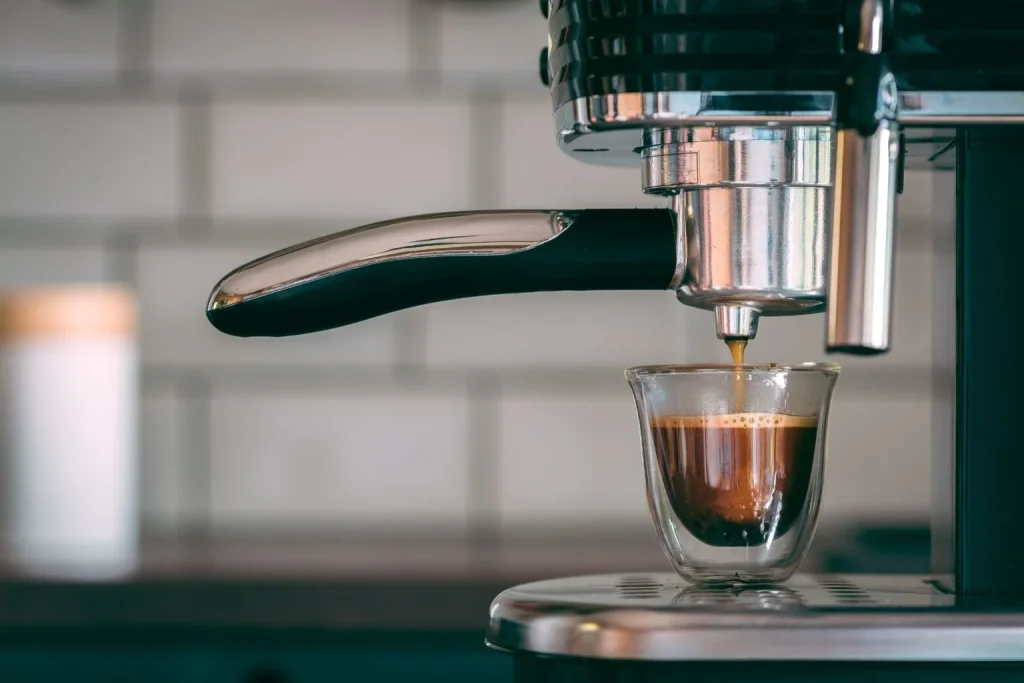
Manual (lever) espresso machines give the user full control over every variable: grind, tamp pressure, water temperature, and extraction time. The user manually pulls a lever or operates a piston to force water through the coffee puck.
- Key features: No automation; brewing is entirely hands-on, which means real skill is needed to get a consistent shot.
- Price range: Generally mid-to-high, often starting from a few hundred Singapore dollars for entry-level units and climbing into the thousands for professional-grade machines.
- Best suited for: Coffee enthusiasts and hobbyists who enjoy the process as much as the result, and who are willing to invest time in learning proper technique.
- Pros: Complete control over brewing variables and an authentic espresso-making experience.
- Cons: Steep learning curve, with consistency depending heavily on the user’s skill.
2. Fully Automatic Coffee Machines
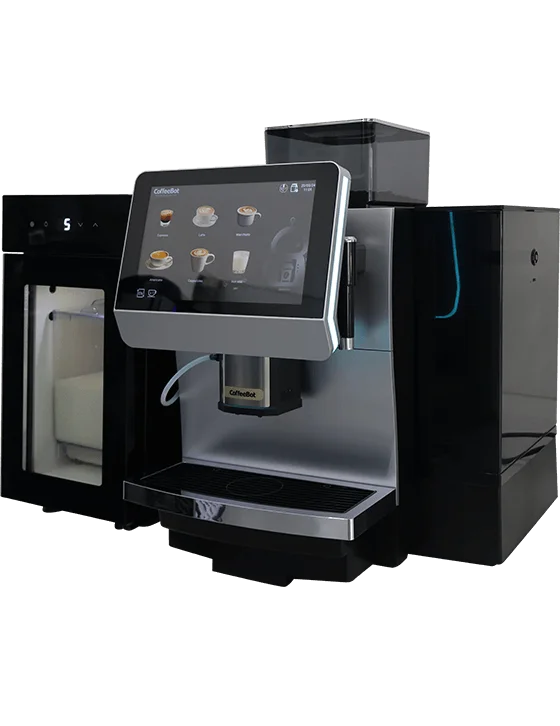
Fully automatic machines handle the entire brewing process, including grinding, dosing, tamping, and extraction, often at the push of a single button.
They are popular in offices and hotels, with models such as the CoffeeBot Table Top featuring a built-in fridge compartment for fresh milk, automatic cleaning, and up to nine coffee selections for a convenient coffee experience.
- Key features: One-touch operation, programmable settings for strength and volume, and minimal user input required.
- Price range: Mid-to-high, reflecting the added internal mechanics.
- Best suited for: Busy households or offices where consistency and speed matter more than hands-on control.
- Pros: Fast, convenient, and delivers consistent results with minimal effort.
- Cons: Less flexibility for experimenting with brewing variables and potentially higher repair costs.
3. Semi-Automatic Coffee Machines
Semi-automatic machines handle water pressure and temperature automatically, but the user still grinds (or adds pre-ground coffee), tamps, and controls the timing of the extraction.
- Key features: A balance between manual control and automation; usually includes a built-in pump for consistent pressure.
- Price range: Mid-range, sitting comfortably between manual and fully automatic options.
- Best suited for: Home users who want to learn proper espresso technique without the steepest learning curve of a fully manual machine.
- Pros: Good balance of automation and manual control, allowing users to refine their brewing technique.
- Cons: Requires more cleaning and maintenance than fully automatic machines.
4. Capsule or Pod Coffee Machines
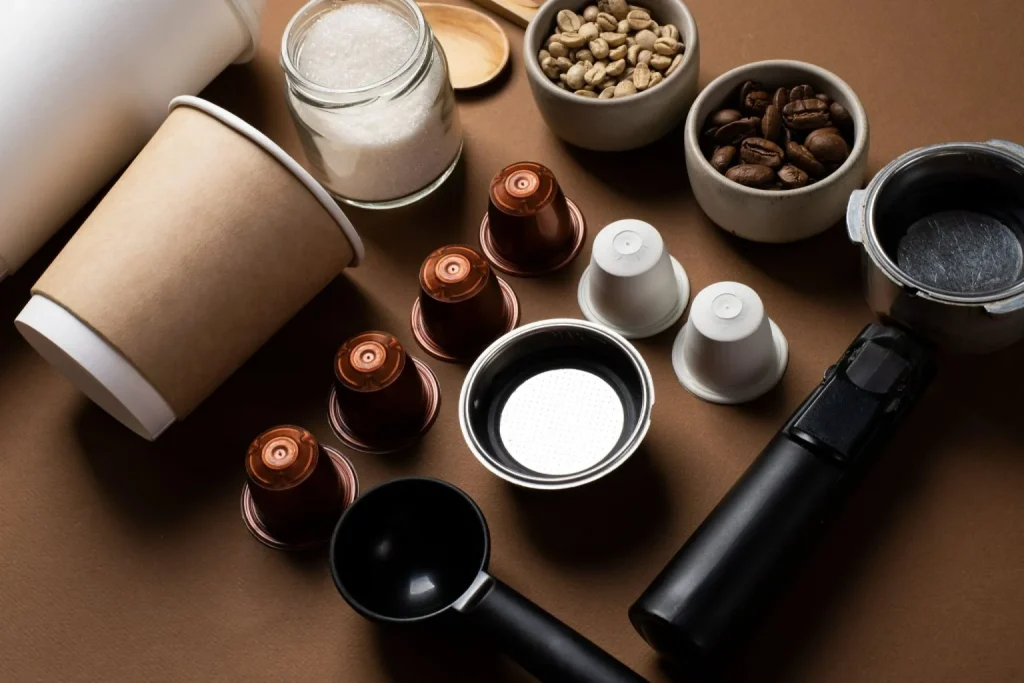
Pod machines use pre-portioned coffee capsules, inserted into the machine and brewed in roughly 30 seconds.
- Key features: Extremely fast brewing, minimal cleanup, consistent results regardless of user skill.
- Price range: Generally, the most affordable upfront, though the ongoing cost of capsules adds up over time.
- Best suited for: Individuals or small households who value speed and simplicity over experimenting with coffee styles.
- Pros: Quick brewing, easy to use, and minimal cleanup.
- Cons: Higher cost per cup over time, and generates capsule waste.
5. Drip Coffee Machines
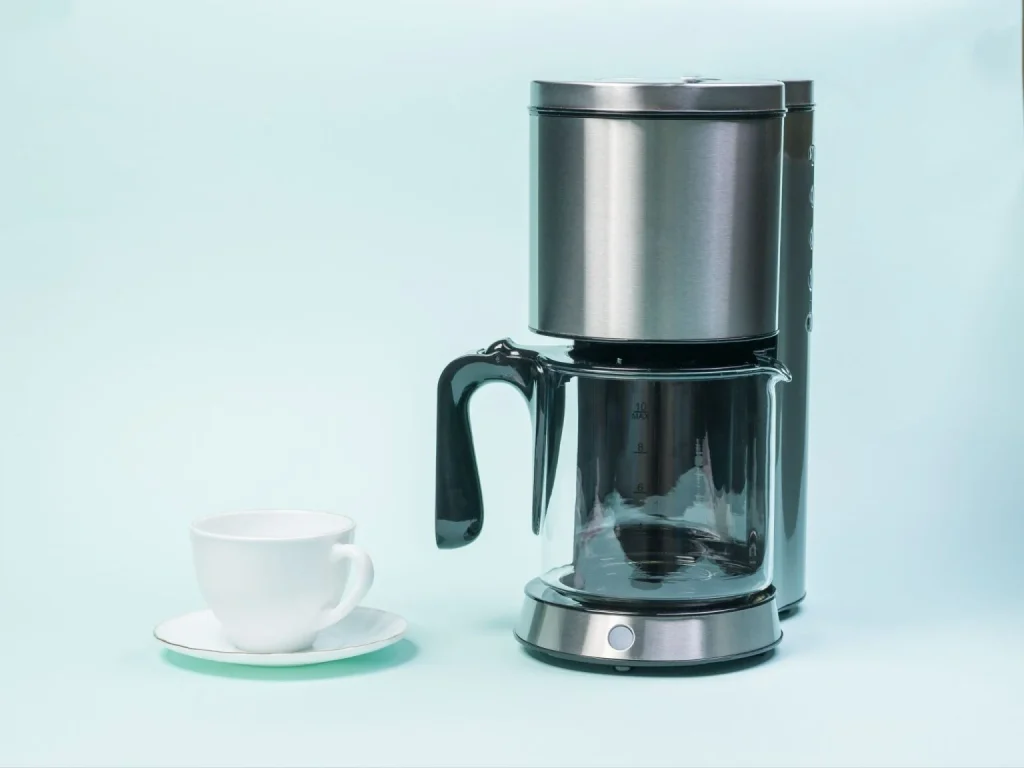
Drip machines brew by passing hot water through a filter basket of ground coffee, producing a full pot rather than a single serving.
- Key features: Large batch capacity, simple operation, often includes a timer or programmable start.
- Price range: Generally affordable and accessible.
- Best suited for: Households or small offices that need multiple cups at once rather than individual servings.
- Pros: Brews multiple cups at once and is simple to operate.
- Cons: Not suitable for espresso-based drinks, and coffee quality may decline if left on the warming plate
- Cons: Requires manual cleanup and careful timing to avoid over-extraction.
6. Cold Brew Coffee Makers
Cold brew makers steep coarsely ground coffee in room-temperature or cold water over an extended period, typically 12 to 24 hours, rather than using heat.
- Key features: No heat involved, produces a naturally smoother, less acidic concentrate that can be diluted or served over ice.
- Price range: Affordable for basic steeping containers; more for dedicated cold brew systems.
- Best suited for: Warm-climate households and anyone who prefers iced coffee as a daily staple rather than an occasional treat.
- Pros: Produces a smooth, low-acid coffee that’s ideal for iced drinks.
- Cons: Long brewing time makes it unsuitable for preparing coffee on demand.
7. Commercial Coffee Machines
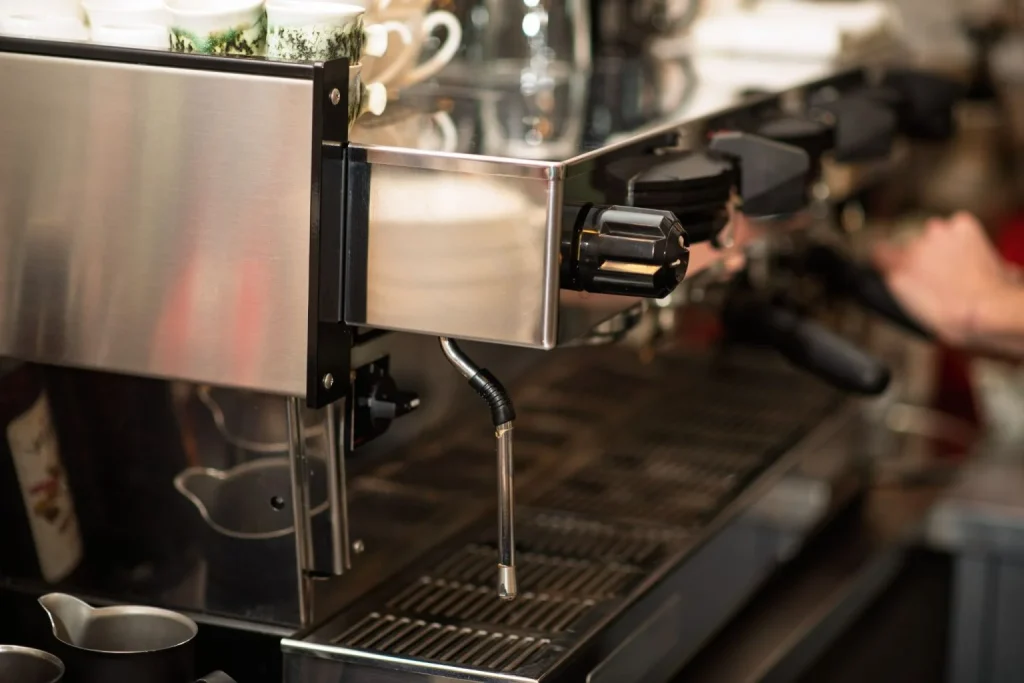
Commercial machines are built for high-volume use in cafés, restaurants, and offices, with components designed to withstand repeated daily use without breaking down.
- Key features: Higher throughput, larger water tanks and bean hoppers, often include multiple group heads or simultaneous brewing capability.
- Price range: Significantly higher than consumer-grade machines, reflecting the build quality and capacity.
- Best suited for: Businesses serving coffee to staff, customers, or guests throughout the day.
- Pros: Designed for heavy daily use with high output and durability.
- Cons: Expensive to purchase and maintain compared to home machines.
8. Coffee Vending Machines
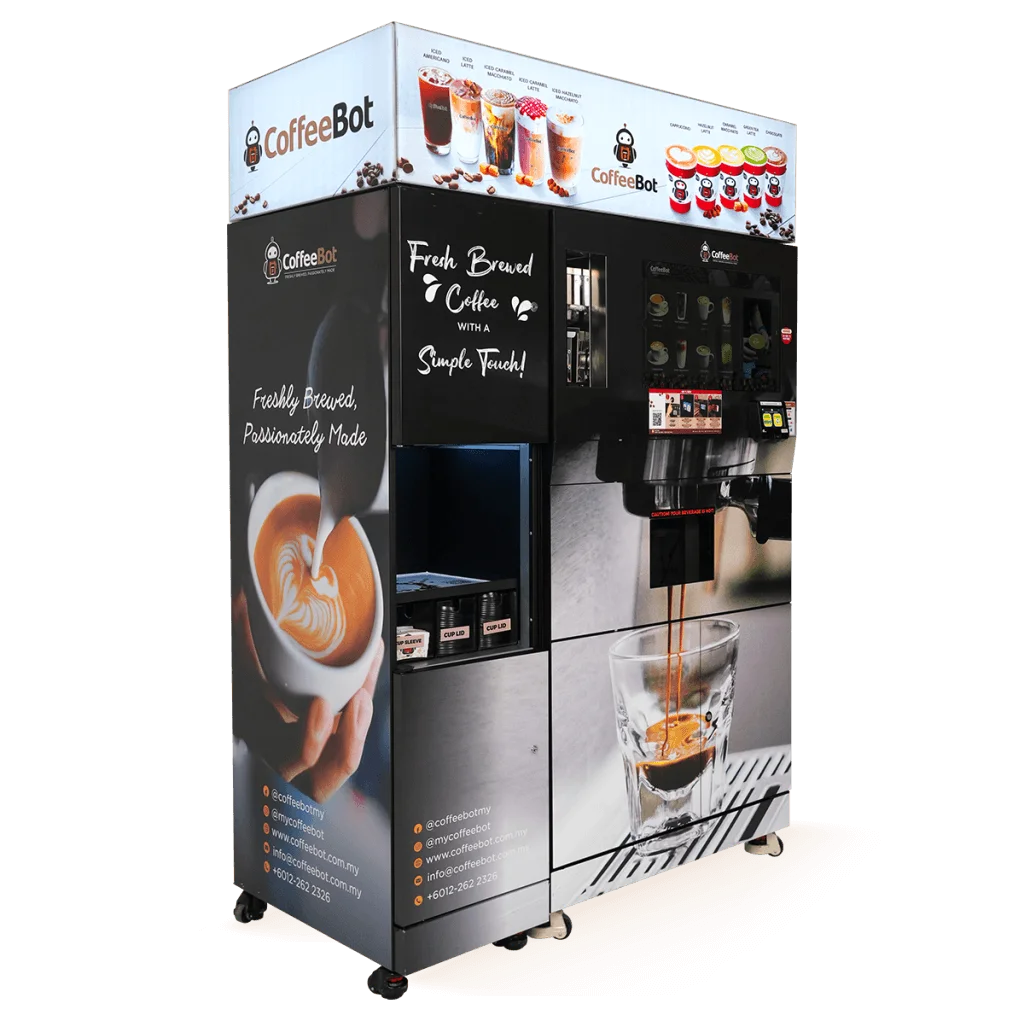
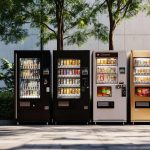
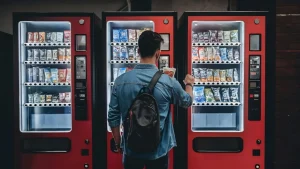
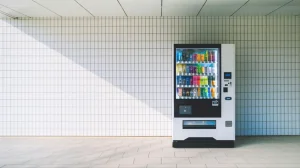
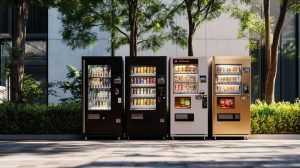
Coffee vending machines prepare freshly brewed coffee on demand through a self-service system, making them ideal for workplaces and commercial environments. Modern models can brew bean-to-cup coffee or dispense a range of beverages, often with cashless payment and remote monitoring. The CoffeeBot Vending Machine is one example of a coffee machine available for rent.
Key features: Self-service operation, multiple beverage selections, cashless payment options, and remote monitoring on selected models.
Price range: Typically available through rental or leasing arrangements.
Best suited for: Offices, hotels, hospitals, universities, and other commercial spaces that want to provide convenient access to freshly brewed coffee throughout the day.
Pros: Convenient self-service solution that can include maintenance, servicing, and ingredient replenishment under a rental package.
Cons: Designed primarily for shared commercial environments rather than individual home use.
Comparing Coffee Machine Types at a Glance
| Machine Type | Brewing Style | Price Range | Best For |
| Manual Espresso | Lever-operated, full manual control | High | Enthusiasts, hobbyists |
| Fully Automatic | One-touch, fully automated | Mid-High | Busy households, offices, and cafes |
| Semi-Automatic | Manual grind/tamp, automated pressure | Mid | Home users learning espresso |
| Capsule/Pod | Pre-portioned pods | Low upfront, higher per cup | Individuals, small households |
| Drip | Filtered batch brewing | Low | Households, small offices |
| Cold Brew | Long steep, no heat | Low-Mid | Iced coffee drinkers |
| Commercial | High-volume automated brewing | High | Cafés, offices, restaurants |
| Coffee Vending Machine | Self-service bean-to-cup or instant brewing | Rental or lease | Offices, hotels, hospitals, universities, and commercial spaces |
How to Choose the Right Coffee Machine
With so many machine types available, narrowing down the right one comes down to a handful of practical questions.
1. Available Space
Measure your intended spot before buying. Bean-to-cup and commercial machines tend to have a larger footprint than pod or drip machines, and some models (like fresh-milk units) need extra clearance for a built-in fridge compartment.
2. Usage Frequency
A small office making five cups a day has very different needs from a corporate office serving fifty staff. Higher usage calls for machines with larger tanks, hoppers, and more durable internal components designed for repeated daily cycles.
3. Coffee Type & Brewing Method
Decide what you actually drink most. If your routine revolves around espresso-based drinks like lattes and cappuccinos, a bean-to-cup or semi-automatic machine makes sense. If you mostly drink black coffee, a drip machine may be all you need.
4. Machine Features & Specifications
Compare the functions that actually matter to you, rather than chasing the machine with the longest spec sheet. A touchscreen interface, programmable strength settings, and several drink options are useful for various preferences.
5. Water Tank Capacity
A larger tank means fewer refills, which matters more in office settings or households with several daily coffee drinkers. Smaller tanks are fine for occasional use but can become a hassle in high-traffic environments.
6. Ease of Cleaning & Maintenance
Look for machines with automatic cleaning cycles or descaling reminders, since neglected maintenance is one of the most common reasons coffee machines break down early or produce poor-tasting coffee.
7. Milk Frothing Capability
If milk-based drinks like cappuccinos and lattes are a priority, check whether the machine has a built-in frother, and whether it uses fresh milk or milk powder, since this affects both taste and maintenance requirements.
8. Energy Efficiency
For machines used multiple times a day, electricity consumption adds up. Look for energy-saving modes or auto-shutoff features, particularly for office machines that may otherwise run continuously.
9. Brewing Speed
Busy locations benefit from machines that brew quickly without sacrificing quality. This matters less for slower, manual methods like pour-over, which are chosen specifically for the ritual rather than speed.
10. Iced Coffee Capability
If cold coffee is part of your routine, particularly relevant in Singapore’s tropical climate, check whether the machine supports iced coffee settings, or whether you’ll need a separate cold brew setup.
Conclusion
Choosing the right coffee machine starts with understanding your needs. Think about how many cups are needed each day, the space available, and how much time you want to spend on brewing and maintenance. Manual espresso machines offer greater control for coffee enthusiasts, while automatic and vending machines for coffee are better suited to busy environments such as offices, shared spaces, or commercial settings.
Having a reliable coffee setup can help streamline daily routines and reduce reliance on external coffee runs. CoffeeBot Singapore offers a range of coffee machines designed for different operational needs, with rental options that include installation, maintenance, and ingredient replenishment. Contact us today for a free coffee machine trial and discover the right coffee solution for your workplace.
Frequently Asked Questions
1. Is a coffee machine still worth buying?
Yes, especially for regular coffee drinkers. While there is an upfront investment, a coffee machine can save money over time compared to buying takeaway coffee. The value depends on how often you drink coffee and the type of machine you choose.
2. Is a coffee machine better than buying takeaway coffee?
For daily coffee drinkers, a coffee machine is generally more cost-effective over the long term. Many fully automatic and bean-to-cup machines can also produce café-quality coffee, while offering the convenience of brewing at home or in the office whenever you need it.
3. What features matter most in a coffee machine?
This depends entirely on your use case, but the features that tend to matter most across the board are brewing consistency, ease of cleaning, and water tank or bean hopper capacity relative to how often you’ll use the machine. For offices, hotels, and other shared spaces, IoT-enabled stock monitoring and remote servicing support matter more, since they reduce the operational burden on staff.
4. Who should invest in a coffee machine?
A coffee machine is a worthwhile investment for anyone who drinks coffee regularly. It is especially suitable for offices looking to provide refreshments for employees and businesses that serve coffee to customers or guests. Occasional coffee drinkers may find simpler brewing methods more practical.
5. How can I make the best coffee with a coffee machine?
Start with fresh coffee beans and filtered water where possible, then follow the manufacturer’s recommended cleaning and descaling schedule. Using the correct grind size for your brewing method will also help produce a more balanced, flavourful, and consistent cup.