

Introduction
If you’ve ever spotted a vending machine tucked into the corner of an office lobby, shopping centre, or residential building, you may have wondered why it was placed there. The answer is simple: location. Even the most advanced vending machine can struggle in the wrong spot, while a basic machine in a busy, well-chosen location can perform consistently.
This guide explores what makes a good vending machine location in Singapore, the types of locations that perform best, and the key factors to consider before installing a vending machine.
Why Does the Location of a Vending Machine Matter?
Vending machines don’t attract customers on their own. Unlike a retail shop with signage, they rely on people already passing by, whether they’re commuting to work, waiting for an appointment, or taking a break.
The best locations benefit from two key buying behaviours: habitual buying, where people encounter the same machine as part of their daily routine, and convenience buying, where customers make quick purchases because the product is available exactly when they need it.
As a result, a vending machine’s success largely depends on:
- Footfall: How many people pass by each day
- Dwell time: Whether people have time to stop, such as in waiting areas or break spaces.
- Customer demand: Whether the location naturally creates a need for food, drinks, or convenience items.
- Competition: Whether nearby cafés, convenience stores, or pantries already meet the same demand.
Examples of Good Vending Machine Locations in Singapore
Not every location suits every type of vending machine. Below, we’ll look at where each machine type performs best, what typically sells well, and key considerations. If you’d like to learn more about the machines themselves, see our guide on the different types of vending machines.
1. Offices, Business Parks, and Coworking Spaces
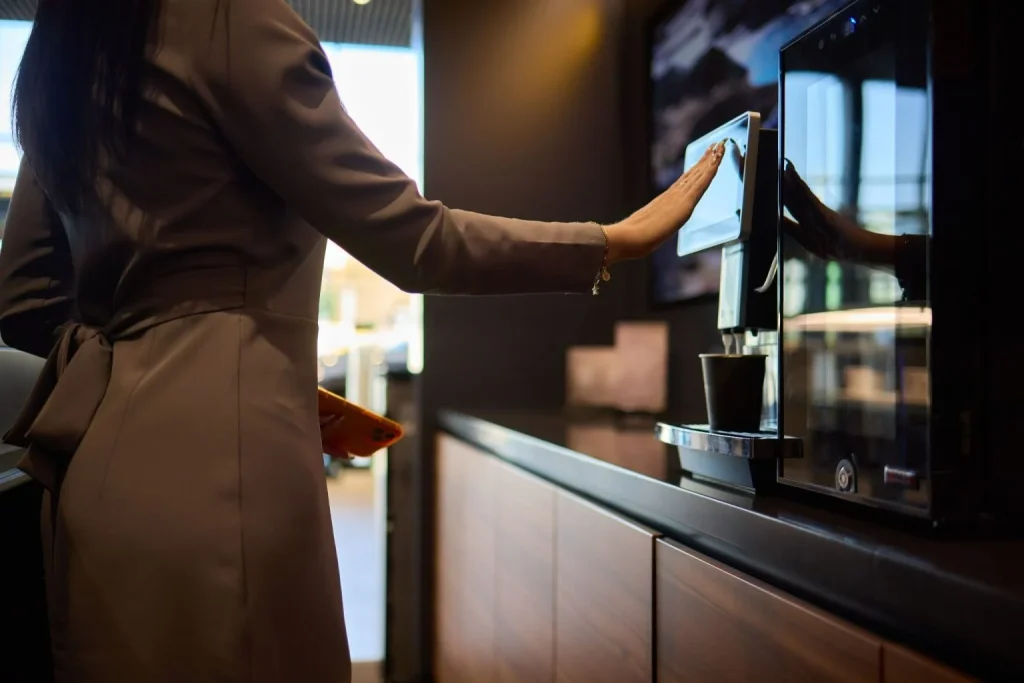
Corporate offices, business parks, and coworking spaces are among the most reliable vending machine locations because the customer base is captive, predictable, and repeatable.
- What sells: Coffee and hot beverage machines, snack machines, and increasingly healthy or better-for-you snack options as companies pay more attention to workplace wellness.
- Why it works: Employees are on-site for long stretches and often don’t want to leave the building for a quick pick-me-up.
- Considerations: Many offices already have a pantry with complimentary refreshments, but vending machines can complement these spaces rather than replace them. Tabletop coffee vending machines are commonly integrated into office pantries, while larger offices, business parks, and coworking spaces often benefit from additional self-service food and beverage options.
2. Retail
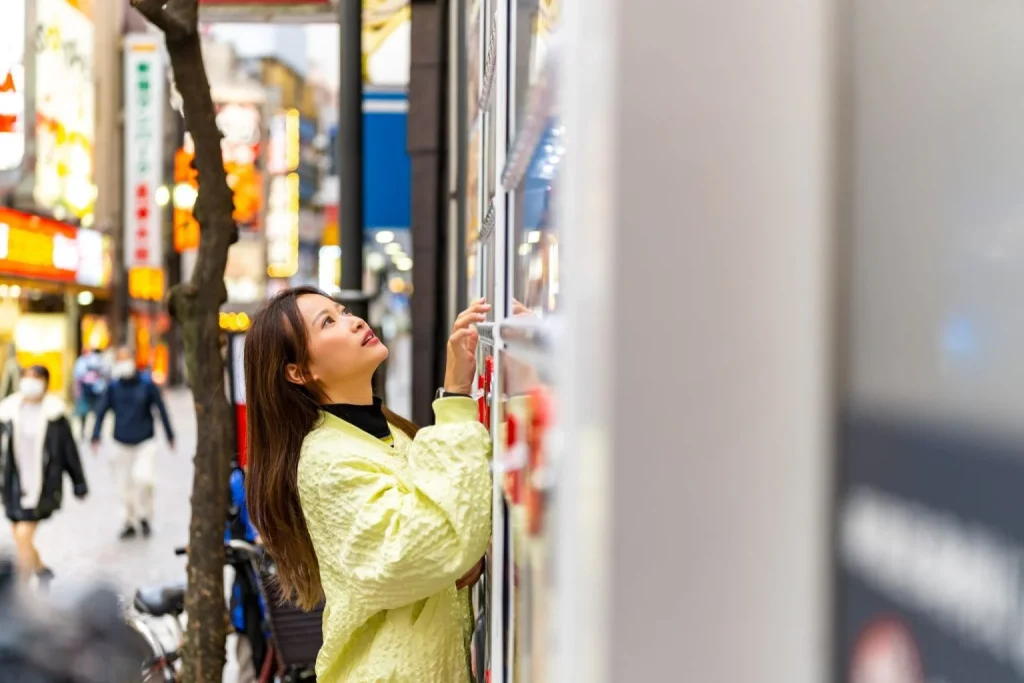
Shopping malls, neighbourhood shoplots, and other retail spaces are suitable locations for vending machines. Many businesses install them to provide added convenience for customers alongside their existing products and services.
- What sells: Beverage machines (especially in mall corridors), specialty vending such as beauty products, phone accessories, or even flowers and small gifts.
- Why it works: Malls already have heavy footfall and a captive audience with money in hand.
- Considerations: Mall management usually requires a formal tenancy agreement and charges rent based on high foot traffic, similar to a retail lot. Machines need to be genuinely differentiated from nearby stores to be worth the rent.
3. Hotels
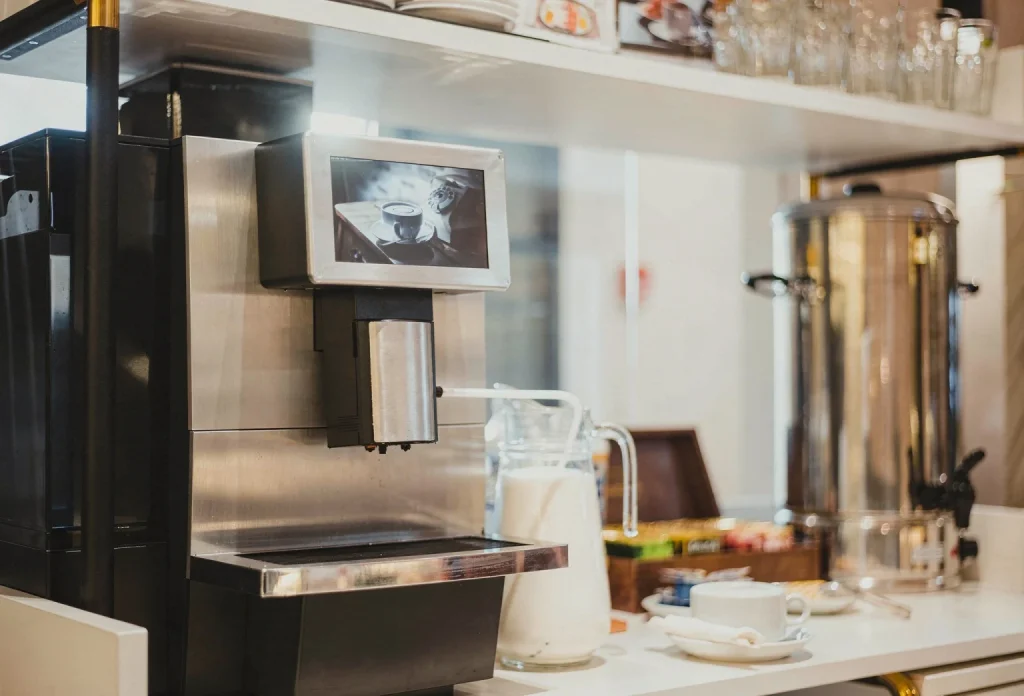
Hotel guests, especially those arriving late at night or leaving early for flights, are a strong match for vending.
- What sells: Snacks, drinks (such as coffee), toiletries, and increasingly “forgotten item” essentials like adapters and basic toiletries.
- Why it works: Guests often can’t or don’t want to leave the hotel for a small purchase, especially outside of normal operating hours.
- Considerations: Position machines in accessible yet discreet locations, such as lift lobbies. Coffee vending machines also work well in hotel breakfast areas, lounges, and lobby spaces.
4. Restaurants and Cafes
At first glance, restaurants and cafés may not seem like an obvious location for a vending machine. However, they can complement existing services by offering grab-and-go products, extending service beyond operating hours, or providing specialty items not found on the regular menu.
- What sells: Desserts, bottled specialty drinks, or grab-and-go items available after the kitchen has closed.
- Why it works: It extends service beyond operating hours and provides a quick, self-service option for customers who don’t want to wait or require full table service.
- Considerations: Choose products and placement that complement your existing service, giving customers an additional self-service option rather than replacing the dine-in experience.
5. Hospitals and Clinics
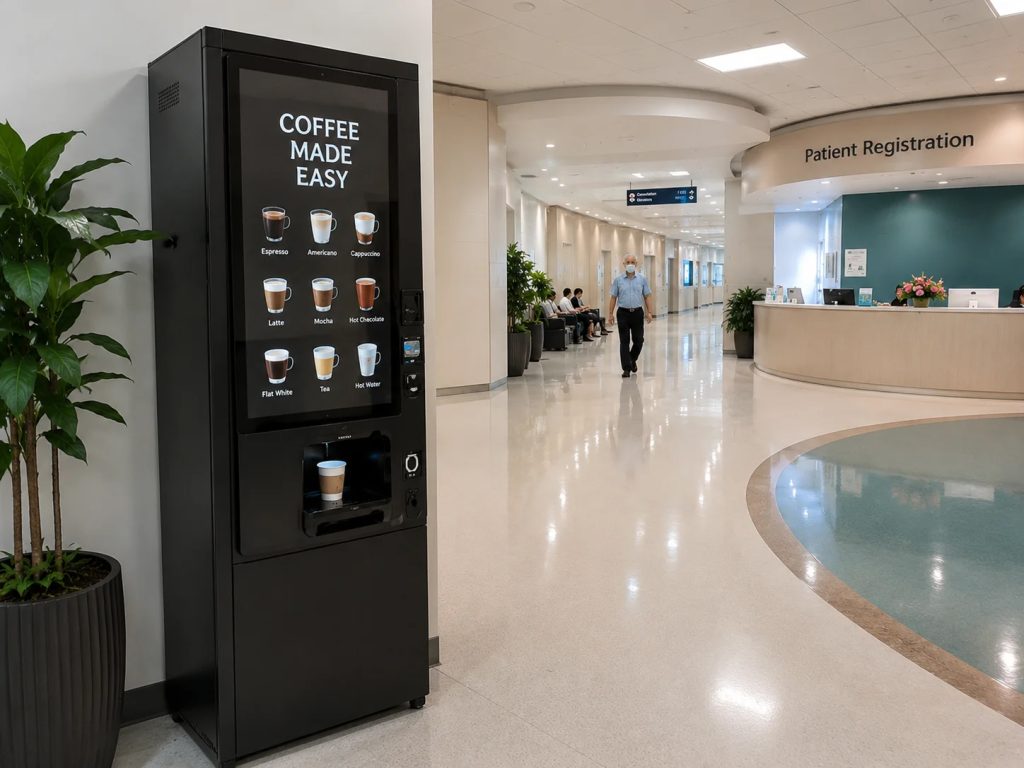
Healthcare settings have some of the most consistent footfall in Singapore, driven by patients, visitors, and staff working shifts.
- What sells: Coffee for hospitals is a popular choice for staff lounges, waiting areas, and visitor spaces, while Changi General Hospital’s smart vending machine for medicines demonstrates how vending is expanding beyond food and drinks.
- Why it works: Waiting rooms create natural dwell time, and visitors, patients, and staff often need quick access to refreshments or essential items without leaving the facility.
- Considerations: Machines dispensing medicines or health-related products require separate regulatory approval from the Health Sciences Authority (HSA), while food vending machines should also meet the higher hygiene and food safety standards expected in healthcare environments.
6. Residential Areas
Residential vending has grown significantly in HDB estates, partly filling the gap left by disappearing “mama shops”.
- What sells: Household provisions, snacks, drinks, and, in some cases, hot meals.
- Why it works: Round-the-clock access matters in residential areas, especially for late-night or early-morning needs when nearby shops are closed.
- Considerations: Placing a machine in an HDB void deck isn’t as simple as renting a mall lot. It typically requires approval from the Town Council managing the estate (since void decks are common property), and if the machine dispenses food, a separate food licence from the Singapore Food Agency (SFA).
7. Gyms and Sports Facilities
Gyms and sports centres have a narrow but highly relevant customer need: hydration and recovery.
- What sells: Isotonic drinks, protein bars, bottled water, and supplement or recovery-focused vending.
- Why it works: Members are a captive audience with an immediate, specific need right after a workout.
- Considerations: Product selection matters more here than in almost any other category. Generic snacks perform poorly, while fitness-relevant products do well. Placement near the exit or changing rooms typically outperforms placement near the entrance.
8. Train Stations and Airports
Transit hubs are consistently cited as strong-performing locations because of Singapore’s dense public transport network.
- What sells: Grab-and-go drinks and snacks, and at airports, higher-margin items like travel essentials, electronics accessories, and duty-free-adjacent products.
- Why it works: Commuters want something fast, and airport travellers often have time to spare and money already set aside for the trip.
- Considerations: These are typically the most competitive and highest-rent locations to secure, often requiring formal procurement processes with SMRT, SBS Transit, or Changi Airport Group.
9. Cinemas
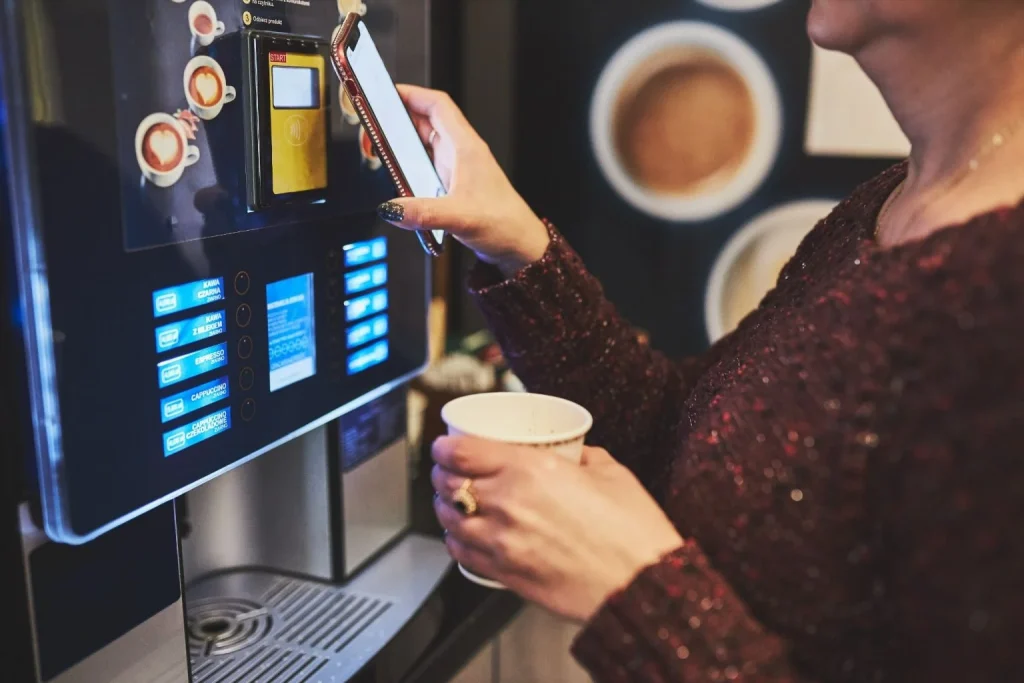
Cinemas experience predictable peaks in demand before and after movie screenings, making them great for food and beverage vending machines.
- What sells: Coffee, popcorn, snacks, beverages and confectionery.
- Why it works: Moviegoers often purchase refreshments before entering the cinema or after their screening, especially when nearby food options are limited.
- Considerations: Position machines near cinema entrances or waiting areas, and schedule restocking around peak screening times, weekends, and public holidays.
10. Industrial Areas and Warehouses
Factories and warehouses tend to be overlooked, but they offer some of the most predictable, repeat-customer traffic of any category.
- What sells: Basic snacks and drinks.
- Why it works: Workers often have limited break time and few nearby food options, especially in industrial parks like Tuas or Jurong.
- Considerations: These locations usually have lower rent expectations than retail or transit spots, making them a good fit for operators focused on volume and reliability over premium pricing.
11. Schools and University Campuses
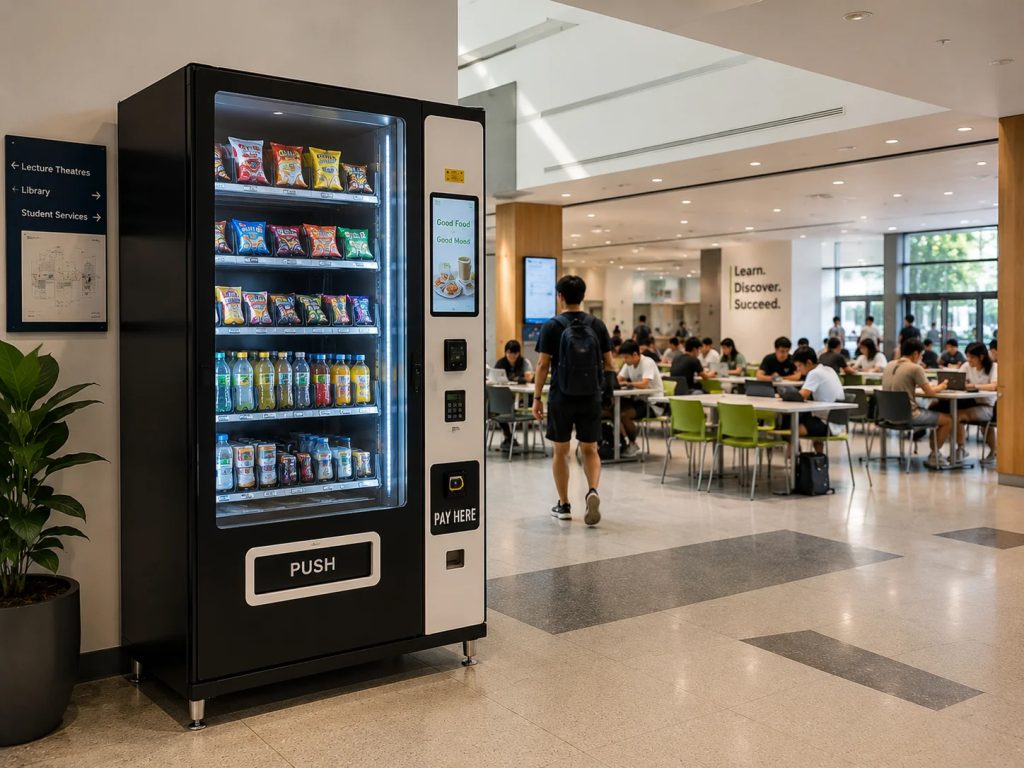
Educational institutions offer large, predictable populations, though product restrictions are stricter than almost anywhere else.
- What sells: Drinks, snacks, and stationery/study essentials at the tertiary level.
- Why it works: Students and staff are on campus for extended hours, often without easy access to off-campus options during the day.
- Considerations: Schools (especially at the primary and secondary level) are subject to Ministry of Education and Health Promotion Board guidelines on what can be sold to students, particularly around sugar content and healthier choice labelling. University campuses have more flexibility but still typically vet vendors through campus facilities management.
How to Determine the Best Vending Machine Location
Choosing the right location can have a greater impact on sales than the vending machine itself. Before committing to a site, consider the following factors.
Not every business needs a vending machine, but the right location can benefit both the business and the people using the space. Before installing one, consider the following factors.
1. Understand Who Will Use the Machine
Start by identifying who the vending machine will serve and when they are most likely to use it.
- Employees: Office staff, factory workers, or healthcare professionals looking for convenient refreshments during the workday.
- Customers and visitors: Hotel guests, hospital visitors, students, or shoppers who may need quick access to drinks, snacks, or coffee while on-site.
- What to consider: Businesses with a steady flow of employees, customers, or visitors generally see the greatest benefit from installing a vending machine.
2. Evaluate Your Location
A vending machine performs best when it is placed where people naturally pass by or spend time.
Consider factors such as:
- Daily foot traffic
- Time spent at the location
- Existing food and beverage options nearby
- Available floor space
- Access to electricity and, where required, a water supply
Locations with consistent foot traffic and limited nearby refreshment options are often the most suitable.
3. Choose the Right Type of Vending Machine
The products offered should match the needs of the people using the space.
- Offices: Coffee, beverages, and snacks
- Hotels: Coffee, drinks, snacks, and convenience items
- Hospitals: Coffee, beverages, snacks, and ready-to-eat meals
- Schools and universities: Healthier snacks and beverages
- Retail spaces: Drinks, snacks, or specialty products
Selecting the right machine helps improve convenience while increasing usage.
4. Check Installation Requirements
Before proceeding, confirm that the proposed location can accommodate the machine.
This includes:
- Sufficient floor space
- Safe customer access
- Clearance for servicing and replenishment
- Suitable electrical connection
- Water connection, if required for coffee machines
5. Understand Regulatory Requirements
The requirements depend on what the vending machine dispenses.
- Food and beverage vending machines: The Singapore Food Agency (SFA) adopts a risk-based approach. Machines preparing or heating food generally require a licence, while those selling sealed pre-packed food from approved suppliers have fewer requirements.
- Site approval: Businesses should also ensure they have permission from the building owner or property management before installation.
- Safety requirements: Machines must comply with the relevant electrical and fire safety standards.
If you’re unsure whether your premises are suitable, many vending machine suppliers can assess your location and recommend the most appropriate machine based on your available space, foot traffic, and intended users.
Common Location Mistakes to Avoid
Choosing the right location is just as much about avoiding common mistakes as it is about finding a busy site. Here are some of the most common pitfalls to watch for:
- Looking only at foot traffic: A location may have lots of people passing by, but if nearby cafés, convenience stores, or pantries already offer similar products, sales may still be low.
- Ignoring dwell time: People are more likely to make a purchase when they’re waiting, such as in offices, clinics, or transport hubs, than when they’re simply walking past.
- Paying too much for the location: High rental fees can quickly reduce your profits, even if the machine generates steady sales.
- Choosing the wrong machine for the audience: Consider who uses the space. For example, a premium coffee machine may suit an office, while a snack and beverage machine may be a better fit for a school or transport hub.
- Overlooking approvals and licensing: Depending on the location and products sold, you may need approval from the property owner and licences or permits from authorities such as the Singapore Food Agency (SFA), HDB, or the Town Council.
- Forgetting about maintenance and restocking: A location might seem ideal, but if it’s difficult to access regularly, keeping the machine stocked and well-maintained can become challenging.
Conclusion
The best vending machine location ultimately depends on the people using the space. Businesses with a steady flow of employees, customers, or visitors often benefit the most, especially when convenient food and beverage options are limited. Choosing the right machine also means considering factors such as available space, daily foot traffic, and the products that best suit your environment.
If you’re considering a vending machine for your workplace or commercial premises, CoffeeBot Singapore offers rental solutions tailored to a wide range of business environments. Contact us today to discuss your requirements and discover the right vending machine solution for your space.
Frequently Asked Questions
1. What is the best location for a vending machine in Singapore?
There is no single best location. It depends on your target audience and their buying habits.
- Offices, residential estates, and schools: Ideal for repeat customers who pass by every day.
- Hospitals, hotels, and transportation hubs: Ideal for people wanting quick, convenient purchases, especially outside normal operating hours.
In general, the best locations combine steady foot traffic, limited competition, and genuine demand.
2. Do I need a licence to place a vending machine in Singapore?
It depends on what the machine dispenses.
- Food prepared or heated on-site: Generally requires a licence from the Singapore Food Agency (SFA).
- Pre-packed food from approved suppliers: Usually has lighter regulatory requirements.
- Installation approval: You’ll also need permission from the property owner or building management, as well as compliance with electrical and fire safety requirements.
3. How much does it cost to place a vending machine in Singapore?
Costs vary depending on the machine and location. A basic vending machine rental usually ranges from S$200 to S$500 per month, depending on the location, and additional costs may include delivery, installation, and any applicable licensing fees.
4. Can I put a vending machine in an HDB void deck?
Yes, but approval is required from the Town Council managing the estate. If the machine dispenses food, you must also comply with the relevant SFA requirements.
5. How does a vending machine help my business?
A vending machine can improve convenience for employees, customers, and visitors by providing easy access to coffee, drinks, snacks, or other essentials throughout the day. It also helps businesses enhance workplace amenities without the cost of operating a staffed café or pantry. Many rental providers include installation, maintenance, and replenishment, making it a low-maintenance solution for many businesses.